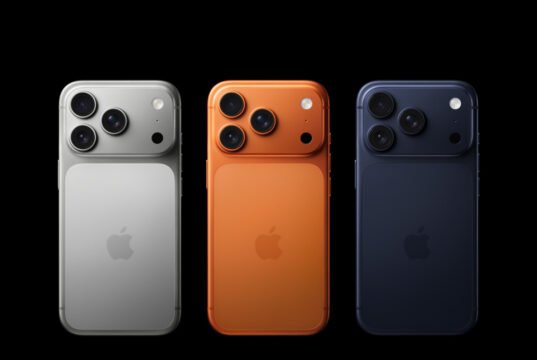
The smartphone market keeps changing fast, and OPPO is one of the brands that always manages to stay in the spotlight with stylish designs, strong cameras, and premium features. The upcoming OPPO Reno 16 Pro Max price discussion has already started creating interest among buyers who are looking for the next best phone in the mid-premium and flagship-style segment. Searches for OPPO Reno 16 Pro Max price in India, OPPO Reno 16 Pro Max review, and OPPO Reno 16 Pro Max 5G show that many users want to know whether this model can become the best mobile phone or even the best smartphone in its category.
Oppo Reno 16 Series Overview
The Oppo Reno lineup has always focused on a balanced mix of design, camera quality, and everyday performance. The Reno series usually targets users who want a stylish phone with a premium feel without jumping all the way into ultra-expensive flagship pricing. The upcoming Reno 16 series appears to continue that trend, with both the Reno 16 Pro and Reno 16 Pro Max expected to bring major upgrades
According to recent news, the Reno 16 Pro comes with a 6.78-inch LTPO OLED flat display. A Dimensity 8500-class with a chipset and a large battery. The Pro Max variant is expected to sit above it, possibly with a more powerful Dimensity 9400-classprocessor, a 200MPmain camera, and upgraded telephoto hardware. These differences suggest that OPPO wants to make the Pro Max the top-end model in the lineup.
OPPO Reno 16 Pro Max
OPPO Reno 16 Pro Max price. At the moment, OPPO has not officially confirmed the launch price, so any number shared now is only an estimate. Leak-based reports suggest that the Reno 16 Pro may launch above Rs. 65,000 in India, indicating that the Pro Max could be positioned even higher. Because of the upgraded camera and processor rumors, the Pro Max is likely to command a premium price.
For users searching for the OPPO Reno 16 Pro Max price in India, it’s important to note that Indian pricing often depends on taxes, memory variants, and launch strategy. If OPPO brings the phone as a near-flagship device, the price may land in a premium segment rather than a mainstream one. This means it will compete with other high-end Android phones and some base-model flagships from rival brands.
Design and Display
OPPO usually puts a lot of effort into design, and the Reno 16 Pro Max is expected to continue that pattern. Early reports suggest a 6.78-inch 1.5K LTPO OLED display with thin bezels and a flat panel design. This should deliver a premium viewing experience for streaming, gaming, and daily use. LTPO technology can also help improve power efficiency by adapting refresh rates depending on the content.
Performance and Chipset
Performance is another area where the Reno 16 Pro Max is expected to stand out. Reports suggest that the Pro Max may use a flagship-class Dimensity chipset, likely from the Pro Max Dimensity 9400 family, while the Reno 16 Pro may ship with a Dimensity 8500-series chip. This difference would place the Pro Max above the Pro model in raw power and efficiency. It would also make the Pro Max more attractive to users who want stronger gaming and multitasking performance.
For people searching for the OPPO Reno 16 Pro Max 5G, the key point is that this device should support modern 5G connectivity and fast network performance. A premium Dimensity platform would also help the phone handle heavy apps, high-resolution media, and advanced camera processing more smoothly. If OPPO pairs the chipset with fast RAM and UFS storage, the overall user experience could feel very polished.
Camera
Camera quality is one of the biggest selling points of the Reno series, and the Reno 16 Pro Max seems ready to continue that reputation. One of the most widely shared leaks mentions a 200MP main camera, a 50MP periscope telephoto lens, and possibly a 50MP ultrawide camera. That would place the phone in a very serious camera category, especially for zoom, portrait shots, and detailed daylight photos.
If these specifications become reality, the OPPO Reno 16 Pro Max review will likely focus heavily on imaging performance. Users can expect strong portrait processing, sharp detail capture, and more flexible zoom capabilities than many competing phones in the same range. OPPO’s image tuning has improved over time, and a high-resolution sensor combined with good software could help the phone compete with other premium Android models. hamariweb+1
Battery and Charging
Battery life is another area where the Reno 16 Pro Max could shine. Leak reports suggest that OPPO may include a large battery, with some rumors mentioning a capacity as high as 7,000mAh for the Reno 16 Pro. Even if the Pro Max lands slightly lower or higher depending on the final design, it should still offer all-day battery life for most users. That would make it a practical option for students, creators, and professionals.
Fast charging is also expected to remain a major advantage. OPPO has long been known for speedy charging systems, and a premium Reno model would likely support high-wattage charging for quick top-ups. For buyers who want the best mobile phone experience without long charging breaks, this kind of battery and charging combination can be a major selling point.
Launch In India
Interest in the India launch is growing because the Reno series has a strong fan base in the country. The Reno 16 Pro has reportedly appeared on BIS, which usually indicates that the phone is being prepared for the Indian market. That makes an India launch more likely, even though OPPO has not announced an official event yet. The Reno 16 Pro Max is also expected to follow if the series arrives in full.
Based on current reports, the Reno 16 family could launch in the second half of 2026, possibly in the third quarter. That timeline fits OPPO’s usual refresh cycle and aligns with recent industry leaks. For buyers waiting for new phones, the Reno 16 Pro Max may become one of the more notable releases in the premium Android category this year.
Who Should Buy It
The Reno 16 Pro Max may be best suited for users who care about design, cameras, and premium everyday performance more than ultra-competitive pricing. If you want a phone for photography, social media content, gaming, and a premium feel in hand, this model could be a strong choice. It may also appeal to users upgrading from older Reno phones or from upper-midrange Android devices.
However, if your main priority is value for money, the higher expected price may make other options more attractive. The best smartphone for one person is not always the most expensive one. Many buyers will need to compare the Reno 16 Pro Max against rival devices in the same segment before making a final decision.gizbot+1
India Price
The phrase OPPO Reno 16 Pro Max price in India will likely remain one of the top search terms as the launch approaches. Based on early reports, the pricing could put the phone in the premium segment, likely above Rs. 65,000 for the Pro model and higher for the Pro Max. and OPPO’s launch 12 GB of LPDDR5X RAM and 256 GB of onboard storage strategy in India.
Final Buying View
The upcoming Oppo Reno 16 Pro Max looks promising on paper, especially for users who want a stylish premium phone with strong camera capabilities and modern 5G performance. The expected specifications suggest that it could become one of OPPO’s most interesting new phones of 2026. If the leaks turn out to be accurate, the phone may appeal to buyers looking for a powerful all-rounder rather than a budget device.
For anyone searching for OPPO Reno 16 Pro Max review, OPPO Reno 16 Pro Max 5G, or OPPO Reno 16 Pro Max price, the main takeaway is simple: this phone is shaping up to be a premium contender, but official confirmation is still pending. The final value will depend on OPPO’s pricing, India launch details, and how well the phone performs in real-world use. Mobile46. Until then, it remains one of the more exciting upcoming choices for users searching for the best mobile phone in the premium segment.
The smartphone market in 2026 is packed with powerful flagship devices, but the Oppo Reno 16 Pro Max is quickly becoming one of the most talked-about premium phones of the year. With a flagship-level processor, premium camera setup, massive battery, and stylish design, the latest smartphone from OPPO aims to compete with the best Android phone models available today.
If you are searching for the best phone, best mobile phone, or a premium 5G mobile phone with flagship performance, this detailed review of the OPPO Reno 16 Proseries will help you decide whether it’s worth buying.
OPPO Reno 16 Pro Max Overview
The OPPO Reno 16 Pro Max is expected to be the top-end model in the Reno 16 lineup. According to recent leaks and industry reports, the phone may feature a large LTPO OLED display, a powerful MediaTek Dimensity chipset, flagship-level cameras, and ultra-fast charging support.
The Reno series has always focused on premium design and camera innovation, and the Reno 16 series appears ready to continue that trend in 2026.
OPPO Reno 16 Pro Max Design & Build Quality
One of the strongest points of the Oppo Reno 16 Pro Max is its premium design language. OPPO is known for creating stylish smartphones, and this device reportedly features:
Slim body design
Metal frame
Glass back panel
Premium matte finish
IP68/IP69 water resistance
Ultra-thin bezels
Leaks suggest that the device may come in multiple elegant colors, including black, white, green, and purple variants.
The smartphone looks more premium than many competitors in the mid-premium segment, making it one of the best smartphone choices for users who care about both style and performance.
Display
The display is expected to be one of the biggest highlights of the OPPO Reno 16 Pro 5G.
Expected Display Specs
6.78-inch LTPO OLED display
1.5K resolution
120Hz refresh rate
HDR support
Ultra-thin bezels
High peak brightness
According to leaks, the phone may use a flagship-grade LTPO panel, which improves battery efficiency while delivering a smoother user experience.
Whether you watch Netflix, play games, browse social media, or edit videos, the display experience is expected to be excellent.
Performance & Processor
Performance is another area where the OPPO Reno 16 Pro lineup looks extremely strong.
Expected Processor
Most leaks suggest:
MediaTek Dimensity 9400 or Dimensity 9500-series chipset
12GB/16GB RAM options
Up to 1TB storage
Advanced AI optimization
This chipset is expected to deliver flagship-grade performance for:
Heavy gaming
Multitasking
Video editing
AI features
4K recording
The phone could become one of the fastest new phones launching in 2026.
Gaming Performance
If you are looking for a powerful gaming phone, the Reno 16 Pro Max may impress you with:
Stable FPS performance
Improved thermal cooling
High touch response rate
Long gaming battery backup
Popular games like:
BGMI
Call of Duty Mobile
Genshin Impact
PUBG Mobile
should run smoothly at high graphics settings.
Camera Review – Best Camera Phone?
The camera system could be the main reason many users buy this device.
Expected Rear Cameras
200MP primary camera
50MP ultra-wide sensor
50MP periscope telephoto camera
This setup suggests OPPO is heavily focusing on photography in 2026.
Camera Features
Expected features include:
8K video recording
AI photography
Improved night mode
Advanced zoom capabilities
Portrait optimization
HDR video
Daylight Photography
The 200MP camera should deliver:
Excellent detail
Natural colors
Sharp dynamic range
Strong HDR performance
Low-Light Photography
OPPO’s computational photography may improve:
Night portraits
Low-light landscapes
Indoor photography
Zoom Camera
The periscope lens could make the Reno 16 Pro Max one of the best camera phone options in its price range.
Users who love:
Travel photography
Wildlife shots
Portrait photography
Instagram content creation
Selfie Camera
The front camera is also expected to receive major upgrades.
Possible features include:
50MP selfie sensor
AI beauty mode
4K selfie video
Better skin tone optimization
For vloggers and social media creators, this could become one of the top smartphone reviews highlights of the year.
Battery Life & Charging
Battery performance is another major upgrade expected in the Reno 16 series.
Expected Battery Specs
6500mAh to 7000mAh battery
80W fast charging
50W wireless charging
This massive battery capacity may easily provide:
Full-day heavy usage
Long gaming sessions
Excellent video streaming backup
Charging Speed
The 80W fast charging support could fully charge the phone in under an hour.
This makes the phone ideal for:
Gamers
Travelers
Content creators
Business users
Software Experience
The OPPO Reno 16 Pro 5G is expected to run:
Android 16 or Android 17
ColorOS latest version
Expected software features:
AI assistant tools
Improved multitasking
Better animations
Smart battery optimization
Gaming enhancements
OPPO has significantly improved ColorOS over the last few years, making it cleaner and more stable.
Connectivity Features
As a premium 5G mobile phone, the Reno 16 Pro Max may support:
Dual 5G SIM
Wi-Fi 7
Bluetooth 5.4
NFC
USB Type-C
In-display fingerprint sensor
This makes it future-ready for advanced connectivity.
Audio & Multimedia
The multimedia experience is expected to be premium with:
Stereo speakers
Dolby Atmos support
Hi-Res audio
Enhanced vibration motor
The large display combined with stereo sound could make it perfect for:
Gaming
Movies
Music streaming
OPPO Reno 16 Pro Max Price
The expected OPPO Reno 16 Pro Max price in India could start around:
₹59,999 to ₹69,999
Some reports suggest premium storage variants may cost even higher.
The pricing will place it in competition with:
Samsung Galaxy S series
OnePlus flagship phones
Xiaomi premium smartphones
Vivo X series
OPPO Reno 16 Pro Price
The standard OPPO Reno 16 Pro price may start around:
₹45,000 to ₹55,000
This version could offer:
Slightly smaller battery
Different chipset
Similar camera setup
The phone is expected to provide flagship-like performance at a lower price point.
OPPO Reno 16 Pro 5G Price
The expected OPPO Reno 16 Pro 5G price in India may vary depending on RAM and storage variants:
Variant
Expected Price
12GB + 256GB
₹49,999
12GB + 512GB
₹54,999
16GB + 512GB
₹59,999
These prices are based on leaks and market expectations.
Oppo Reno 16 Pro Mini – Is It Coming?
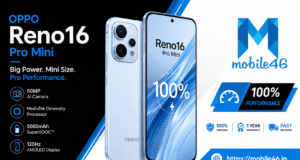
Many rumors also mention an Oppo Reno16 Pro mini model.
This compact version may feature:
Smaller display
Same premium design
Mid-range chipset
Lower price
However, OPPO has not officially confirmed the mini version yet.
OPPO Reno 16 Pro Max vs Competitors
Feature
OPPO Reno 16 Pro Max
Samsung Flagship
OnePlus Flagship
Display
6.78-inch LTPO OLED
AMOLED
AMOLED
Camera
200MP Triple Camera
200MP
50MP Triple
Battery
Up to 7000mAh
5000mAh
5400mAh
Charging
80W Fast Charging
45W
100W
Processor
Dimensity 9400/9500
Snapdragon
Snapdragon
Gaming
Excellent
Excellent
Excellent
The Reno 16 Pro Max stands out with:
Bigger battery
Premium cameras
Stylish design
Strong multimedia experience
Pros & Cons
Pros
Premium flagship design
Large LTPO OLED display
Powerful chipset
Massive battery
Excellent camera setup
Fast charging support
Smooth gaming performance
Cons
Premium pricing
Camera details still unofficial
Wireless charging may vary by region
Should You Buy OPPO Reno 16 Pro Max?
If you want:
The best phone in the premium segment
A flagship gaming phone
A powerful best camera phone
Stylish design with strong performance
Long battery life
Premium multimedia experience
Then the Oppo Reno 16 Pro Max looks extremely promising.
It could become one of the most popular new phonesand one of the best smartphone launches of 2026.
Final Verdict
The OPPO Reno 16 Pro Max appears ready to redefine the premium smartphone category in 2026. With flagship-grade specifications, a huge battery, a 200MP camera setup, and powerful gaming performance, the phone has all the ingredients needed to compete with the best devices in the market.
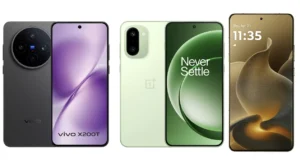
If you’re searching for the best mobile phones under 60000, you’ve come to the right place. The smartphone market in India has become incredibly competitive, with manufacturers launching feature-packed devices at affordable prices. This guide covers the top 5 smartphones under 60k that are making waves in the market, including the highly anticipated OnePlus 13S, OnePlus 15R, Vivo X200T, and Motorola Signature models.
Top 5 Smartphones Under 60000 to Buy in India
1. OnePlus 13S
OnePlus 13S Launch Date in India: The OnePlus 13S is expected to launch in India in early 2025, creating massive buzz in the mid-premium segment. OnePlus has been teasing its flagship features across social media.
OnePlus 13S Price in India: The OnePlus 13S is anticipated to be priced between ₹45,000 to ₹55,000, making it an excellent choice for the top 5 smartphones under the 60000.
Key Specifications:
Processor: Qualcomm Snapdragon 8 Gen 3 Leading Version
RAM: Up to 12GB LPDDR5X
Storage: 256GB/512GB UFS 4.0
Display: 6.7-inch AMOLED, 120Hz refresh rate
Camera: 50MP main + 50MP ultra-wide + 50MP telephoto
Battery: 5000mAh with 100W fast charging
Operating System: OxygenOS (Android 15)
Why Choose OnePlus 13S? The OnePlus 13S stands out for its blazing-fast performance, clean software experience, and premium build quality. It’s perfect for users who want flagship performance without paying flagship prices.
2. OnePlus 15R
OnePlus 15R Launch Date in India: The OnePlus 15R is expected to arrive in India by mid-2025, targeting users who want excellent value for money.
OnePlus 15R Price in India: Estimated pricing is around ₹38,000 to ₹45,000, making it one of the most affordable options in the top 5 smartphone under 60k list.
Key Specifications:
Processor: MediaTek Dimensity 7350
RAM: 8GB/12GB LPDDR5
Storage: 128GB/256GB
Display: 6.5-inch AMOLED, 120Hz
Camera: 50MP main + 8MP ultra-wide
Battery: 4800mAh with 80W charging
Operating System: OxygenOS (Android 15)
Why Choose OnePlus 15R? If you’re looking for a balanced smartphone with great battery life, smooth performance, and clean UI, the OnePlus 15R is an ideal choice. It offers excellent value at its price point.
3. Vivo X200T
Vivo X200T Launch Date in India: The Vivo X200T is confirmed to launch in India in early 2025, following its successful release in China.
Vivo X200T Price in India: Expected price range is ₹50,000 to ₹58,000, positioning it perfectly in the top 5 smartphone under 60000 bracket.
Why Choose Vivo X200T? Vivo’s X200T excels in photography and videography with its advanced imaging sensors and computational photography. The massive 5800mAh battery provides excellent daily performance without charging worries.
4. Motorola Signature
Motorola Signature Launch Date in India: The Motorola Signature is expected to launch in mid-2025, targeting users who prefer pure Android experience.
Motorola Signature Price in India: Anticipated price point is around ₹42,000 to ₹52,000, placing it firmly in the top 5 smartphone under 60k category.
Key Specifications:
Processor: Qualcomm Snapdragon 7 Gen 3
RAM: 8GB/12GB LPDDR5
Storage: 128GB/256GB UFS 4.0
Display: 6.6-inch AMOLED, 120Hz, curved edges
Camera: 50MP main + 13MP ultra-wide + 8MP telephoto
Battery: 4900mAh with 68W charging
Operating System: Stock Android 15
Why Choose Motorola Signature? Motorola Signature delivers the pure Android experience with minimal bloatware, near-stock interface, and guaranteed updates. It’s ideal for users who appreciate simplicity and authenticity in their mobile phones.
5. iPhone SE (2024)
While not an Indian launch, the iPhone SE remains available in the Indian market for under ₹ 50,000.
iPhone SE Price in India: Starting at ₹39,999, making it accessible to those seeking Apple’s ecosystem.
Key Specifications:
Processor: Apple A17 Bionic
RAM: 4GB
Storage: 64GB/128GB/256GB
Display: 4.7-inch Liquid Retina LCD, 60Hz
Camera: 12MP rear with optical image stabilization
Battery: 2532mAh with 20W charging
Operating System: iOS 18
Why Choose iPhone SE? For iOS enthusiasts who want a compact device with the latest Apple processor and access to the Apple ecosystem, iPhone SE is unbeatable value.
Detailed Comparison: Which Phone Should I Buy Under 60000?
Performance Comparison
Best for Gaming: OnePlus 13S (Snapdragon 8 Gen 3)
Best for Daily Use: OnePlus 15R (Balanced performance)
Best Overall Performance: Vivo X200T (Dimensity 9300)
Best Stock Experience: Motorola Signature
Camera Comparison
Best Camera: Vivo X200T (Advanced imaging, 50MP main with f/1.75)
Best Night Photography: OnePlus 13S
Best Versatility: Motorola Signature
Battery Life
Longest Battery: Vivo X200T (5800mAh)
Best Fast Charging: OnePlus 13S (100W)
Balanced: OnePlus 15R
Value for Money
If you’re asking “which phone should I buy under 60000?” here’s our verdict:
Best Overall: OnePlus 13S
Best Budget Option: OnePlus 15R
Best Camera Phone: Vivo X200T
Best Pure Android: Motorola Signature
Key Factors When Choosing Top 5 Smartphones Under 60k
1. Processor & RAM
The brain of your phone matters. For smooth multitasking, look for a Snapdragon 8 Gen 3 or Dimensity 9300 with 8GB+ RAM.
2. Display Quality
AMOLED displays offer better contrast and colors compared to LCD. Most phones in this range feature 120Hz refresh rates for smooth scrolling.
3. Camera System
If photography is important, prioritize phones with larger sensors and better f-values (lower is better).
4. Battery Capacity
5000mAh+ battery is essential for full-day usage with moderate usage patterns.
5. Software & Updates
Choose brands that provide regular security updates and at least 3-4 years of OS upgrades.
6. Build Quality & Design
Premium materials like glass and aluminum ensure durability.
Market Trends: Mobile Phones Under 60000 in India
The smartphone market under 60000 rupees is experiencing significant growth. Brands like OnePlus, Vivo, Motorola, and even Apple are competing aggressively with feature-rich devices at competitive prices. The launch of OnePlus 13S, OnePlus 15R, Vivo X200T, and Motorola Signature confirms that manufacturers believe this price segment is crucial for market penetration.
Why Choose Phones Under 60000?
Premium features at mid-range prices
Flagship processors from reputable brands
High-quality displays and cameras
Excellent battery life
Better value compared to flagship phones costing 80,000+
Conclusion
The top 5 smartphone under 60000 category in India offers excellent choices for different user preferences. Whether you prioritize performance (OnePlus 13S), affordability (OnePlus 15R), camera quality (Vivo X200T), pure Android experience (Motorola Signature), or the Apple ecosystem (iPhone SE), there’s something for everyone.
Which phone should I buy under 60000? Ultimately, your choice depends on your priorities. For balanced performance and features, we recommend the OnePlus 13S. For budget-conscious buyers, the OnePlus 15R is excellent. Photography enthusiasts should opt for the Vivo X200T.
Keep an eye on the official launch dates and price announcements for these mobile phones. The Indian smartphone market is dynamic, and these top 5 smartphone under 60k options are set to revolutionize the mid-premium segment MOBILE46. Make your choice wisely and enjoy a premium smartphone experience without breaking the bank!
Frequently Asked Questions (FAQ)
Q: When will OnePlus 13S launch in India? A: Expected in early 2025. Official announcement is awaited.
Q: What is the OnePlus 15R price in India? A: Approximately ₹38,000 to ₹45,000.
Q: When will Vivo X200T launch in India? A: Expected in early 2025.
Q: What is the Vivo X200T price in India? A: Around ₹50,000 to ₹58,000.
Q: Is Motorola Signature worth buying? A: Yes, especially if you prefer stock Android and minimal bloatware.
Q: Which is the best phone under 60000 for gaming? A: OnePlus 13S with Snapdragon 8 Gen 3.
Q: Which phone offers the best camera under 60000? A: Vivo X200T with its advanced imaging setup.
The Apple iPad Air M3 is one of the most talked-about tablets of 2025–2026, and for good reason. It sits at a sweet spot in Apple’s lineup — powerful enough for professionals, affordable enough for students, and versatile enough for everyone in between. Whether you’re a college student hunting for the best iPad for note-taking, a business traveler who needs a productivity machine, or a casual user upgrading from an older tablet, the iPad Air M3 deserves a serious look.
Apple iPad Air M3 Overview
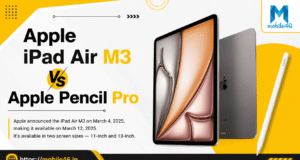
Apple announced the iPad Air M3 on March 4, 2025, making it available on March 12, 2025. It’s available in two screen sizes — 11-inch and 13-inch — and comes in four colors: Space Gray, Starlight, Purple, and Blue.
Storage options: 128GB, 256GB, 512GB, and 1TB Connectivity: Wi-Fi 6E and optional Wi-Fi + Cellular Starting price:$599 (11-inch) | $799 (13-inch)
11-Inch iPad Air (M3)
Wi-Fi Only (128GB): Starts at approx. Rs59,900
Wi-Fi + Cellular (128GB): Starts at approx. Rs74,900
13-Inch iPad Air (M3)
Wi-Fi Only (128GB): Starts at approx. Rs79,900
Wi-Fi + Cellular (128GB): Starts at approx. Rs94,900
Note: Storage options for both sizes scale up to 256GB, 512GB, and 1TB. Higher storage and cellular capabilities increase the price accordingly.
It supports the Apple Pencil Pro, Apple Pencil (USB-C), the new Magic Keyboard for iPad Air, and Smart Folio.
Apple iPad Air M3 Specifications
Feature
iPad Air M3 (11-inch)
iPad Air M3 (13-inch)
Display
11-inch Liquid Retina IPS
13-inch Liquid Retina IPS
Resolution
2360 x 1640 (261 PPI)
2732 x 2048 (263 PPI)
Refresh Rate
60Hz
60Hz
Brightness
500 nits
600 nits
Processor
Apple M3 (3nm)
Apple M3 (3nm)
CPU
8-core
8-core
GPU
9-core
9-core
Neural Engine
16-core
16-core
RAM
8GB
8GB
Storage
128GB / 256GB / 512GB / 1TB
Rear Camera
12MP Wide
12MP Wide
Front Camera
12MP Ultra-Wide (landscape)
Video
4K @ 60fps
4K @ 60fps
Battery
~7606 mAh / Up to 10 hrs
~9705 mAh / Up to 10 hrs
Port
USB-C (USB 3)
USB-C (USB 3)
Connectivity
Wi-Fi 6E, Bluetooth 5.3
Biometrics
Touch ID (top button)
OS
iPadOS 18
iPadOS 18
Dimensions
247.6 x 178.5 x 6.1mm
280.6 x 214.9 x 6.1mm
Weight
460g
617g
Design and Build Quality
The iPad Air M3 carries forward the same iconic design that Apple refined from 2020 onward — and it still looks strikingly modern. The premium aluminum unibody construction feels solid in hand while remaining impressively thin at just 6.1mm. Uniform bezels on all four sides give it a balanced, professional look that stands out from budget Android tablets.
At 460g for the 11-inch model, it is light enough to hold during a long lecture, a cross-country flight, or an extended creative session. The Touch ID sensor integrated into the top button is fast, reliable, and feels natural. Available in four tasteful finishes, the iPad Air M3 is a device you’ll want to carry everywhere.
Durability is solid. The aluminum body resists everyday bumps and scratches, though a case is recommended for clumsy environments. For students, professionals, and daily commuters, this design delivers the perfect mix of portability and durability.
Display Review
The iPad Air M3’s Liquid Retina IPS LCD display is a genuine pleasure to use. Colors are vivid and accurate thanks to P3 wide color gamut and True Tone technology, which automatically adjusts white balance to match the ambient lighting in any room.
Text is sharp, reading feels natural, and the anti-reflective coating makes outdoor use practical. Whether you’re annotating a PDF, watching a Netflix series, or editing photos, the display handles everything beautifully.
The one limitation worth mentioning is the 60Hz refresh rate. In 2026, this feels slightly dated when competitors like the iPad Pro M4 offer a 120Hz ProMotion display. Scrolling is not laggy, but the silkiness that comes with high refresh rates is absent. For most users — especially students, writers, and casual viewers — this will not be a dealbreaker. For gamers or those who have used a ProMotion display before, it may feel noticeable.
Apple M3 Chip: Performance Review
The M3 chip is where the iPad Air M3 earns its credentials as a true performance powerhouse. Built on a 3nm architecture, the M3 features an 8-core CPU, a 9-core GPU, and a 16-core Neural Engine.
Compared to the iPad Air M1, Apple’s M3 delivers up to 35% faster multithreaded CPU performance and 40% faster graphics performance. In day-to-day use, everything feels instant — apps open in a flash, multitasking is smooth, and the device never stutters even with heavy workloads like video editing in LumaFusion, running multiple browser tabs, or using productivity suites.
The 16-core Neural Engine powers Apple Intelligence, Apple’s built-in AI platform. Features like Smart Script (which refines your handwriting in real time), Writing Tools, and enhanced Siri capabilities all run on-device for privacy. As Apple Intelligence continues to evolve into 2026, owning an M3-powered device ensures you’re on the right side of that growth.
Long-term viability is a real strength here. Apple typically supports its devices for 7+ years. The M3 chip, as we’ve seen with M-series Macs, will remain capable well into the early 2030s, making this a future-proof investment.
Gaming Performance
The iPad Air M3 handles gaming impressively well. The 9-core GPU is capable of running AAA mobile titles and Apple Arcade games at high frame rates without breaking a sweat. Games like Genshin Impact, Alto’s Odyssey, and grid-based strategy games run beautifully on the Liquid Retina display.
Heat management is well controlled. During extended gaming sessions, the device gets mildly warm — nothing uncomfortable or alarming. Battery drain during gaming is higher than during regular use, typically cutting the total runtime to around 6–7 hours, but that’s expected behavior for any tablet.
The 60Hz display is the only limiting factor for hardcore gamers, as some competitors and the iPad Pro M4 offer smoother visual experiences. For the majority of gamers, though, the iPad Air M3 delivers a consistently enjoyable experience.
Apple Pencil Pro Experience
The iPad Air M3 is fully compatible with the Apple Pencil Pro, the most advanced stylus Apple has released for non-Pro iPads. It supports hover detection, squeeze gestures, double-tap, and impressive tilt sensitivity, giving it a feel very close to sketching on paper.
For students, the Apple Pencil Pro transforms the iPad into a digital notebook. Note-taking apps like Notability and GoodNotes benefit enormously from the Pencil’s low latency and pressure sensitivity. Handwriting feels natural, and with Smart Script, your notes are automatically cleaned up in real time.
For artists and designers, the Pencil Pro opens up illustration workflows using apps like Procreate. Professional illustrators working in mobile-first environments will find the combination of the M3 chip and Pencil Pro more than capable.
Magic Keyboard Experience
The new Magic Keyboard for iPad Air (2025 edition) is a meaningful upgrade over its predecessor. It features a larger trackpad, a full row of function keys, and — crucially — pass-through charging, so you can charge your iPad by plugging into the keyboard’s USB-C port.
Typing on the Magic Keyboard is a genuinely good experience. The keys have satisfying travel and are spaced comfortably, even for touch typists. Combined with iPadOS’s desktop-class multitasking with Stage Manager, the iPad Air M3 can serve as a laptop replacement for many workflows — writing, spreadsheets, email, video calls, and presentations.
For students and business users who frequently switch between tablet and laptop modes, the Magic Keyboard makes the iPad Air M3 uniquely versatile.
Best Tablet for Note-Taking: iPad Air M3 Review
If you’re searching for the best tablet for note-taking, the iPad Air M3 checks every important box. The large, sharp display makes reading and annotating PDFs comfortable. Apps like GoodNotes 6 and Notability are optimized for iPad and work beautifully with Apple Pencil Pro.
In a classroom setting, you can annotate lecture slides, record audio alongside your notes, sketch diagrams, and organize notebooks by subject — all in one device. The iPad’s battery easily lasts through a full day of lectures.
Research workflows benefit too. You can highlight papers, import PDFs from cloud storage, cross-reference multiple sources using split-screen, and export your notes as PDFs with a single tap.
Assignments: Microsoft Word, Google Docs, and Pages all run flawlessly. Type essays with the Magic Keyboard, annotate references with Apple Pencil Pro.
Presentations: Keynote and PowerPoint on iPad are polished and powerful. The 11-inch screen is large enough to design, while the 13-inch model is perfect for presenting.
Online learning: Zoom, Google Meet, and Microsoft Teams all work seamlessly. The landscape front camera is well-positioned for video calls.
Research: Multi-tab browsing, PDF annotation, and note-taking apps all work simultaneously via split-screen.
Budget: At $599, the iPad Air M3 costs less than most laptops, and it does more in student scenarios than a similarly priced Chromebook.
For iPad Air M3 for online classes and study, the combination of video calling apps, e-learning platforms, long battery life, and lightweight design makes it a near-perfect campus companion.
Camera Review
The iPad Air M3 carries a 12MP wide rear camera capable of shooting 4K video at up to 60fps. It’s not a device you’d replace your smartphone camera with, but it’s excellent for scanning documents, shooting whiteboard content, and light content creation.
The 12MP ultra-wide front camera is positioned in landscape orientation — a critical feature for video calls during online classes or business meetings. The Center Stage feature automatically keeps you centered during calls, even if you move around. Video quality on calls is clear and detailed.
Battery Life Review
Apple rates the iPad Air M3 at up to 10 hours of battery life, and real-world usage confirms this is accurate — sometimes generous.
Study/productivity use: 9–11 hours
Streaming video: 9–10 hours
Gaming: 6–7 hours
Mixed daily use: 8–10 hours
The iPad Air M3’s battery is more than sufficient for a full day of school, work, or travel without needing a charger. The 13-inch model packs a larger battery (~9705 mAh) and similarly achieves around 10 hours, despite the larger display.
iPad Air M3 for Business and Productivity
The iPad Air M3 is a credible business and productivity tool. Here’s how it performs across key professional scenarios:
Office work: Excel, Word, and PowerPoint all have excellent iPad versions. Stage Manager enables desktop-like multitasking.
Email: Apple Mail, Gmail, and Outlook run smoothly. Keyboard navigation makes managing a full inbox efficient.
Video conferencing: Teams, Zoom, and Meet all work great; the Center Stage camera keeps you in frame automatically.
Business travel: At 460g and 6.1mm thin, it’s lighter and more portable than most laptops.
Presentations: Connect to an external display via USB-C and present wirelessly or wired.
For field workers, consultants, or anyone who moves between meetings frequently, the iPad Air M3 + Magic Keyboard combination provides a genuinely capable mobile office.
Apple iPad Air M3 vs iPad 11th Gen: Which Should You Buy?
Feature
iPad Air M3
iPad 11th Gen (A16)
Display
11″ Liquid Retina, 500 nits
10.9″ LCD, 500 nits
Processor
Apple M3
Apple A16 Bionic
RAM
8GB
6GB
Refresh Rate
60Hz
60Hz
Laminated Display
Yes
No
Apple Pencil
Pencil Pro & USB-C
USB-C only
Magic Keyboard
Yes (full)
Limited (Folio only)
USB-C Speed
USB 3
USB 2
Stage Manager
Yes
No
Apple Intelligence
Yes
Yes
Starting Price
$599
~$329
Recommendation: If budget is the primary concern, the iPad 11th Gen is a solid tablet for basic tasks. But for students who want Apple Pencil Pro support, Stage Manager multitasking, a laminated display, and significantly more processing power, the iPad Air M3 is worth the extra spend. It will last noticeably longer and handle more demanding workflows.
Apple iPad Air M3 vs iPad Pro M4 Comparison
Feature
iPad Air M3
iPad Pro M4
Display
IPS LCD, 60Hz
OLED, 120Hz ProMotion
Processor
Apple M3
Apple M4
GPU
9-core
10-core
Face ID
No (Touch ID)
Yes
Nano-texture glass
No
Optional
Starting Storage
128GB
256GB
Starting Price
$599
$999
Weight (11-inch)
460g
446g
Biometrics
Touch ID
Face ID
Recommendation: The iPad Pro M4 is the best iPad Apple makes — but at $400 more for the base model, the premium is steep. For students, content creators, and business users who don’t need the OLED ProMotion display or the very latest M4 chip, the iPad Air M3 delivers 90% of the experience at 60% of the price. Only professional video editors, 3D artists, and power users who will genuinely push the M4’s extra capabilities should stretch for the Pro.
Pros and Cons
Pros:
Excellent M3 chip performance — fast, capable, and future-proof
Full Apple Intelligence support for AI-powered features
Apple Pencil Pro support — the best stylus experience available
New Magic Keyboard with pass-through charging and function row
Lightweight, thin, premium aluminum design
Great all-day battery life (up to 10 hours)
Landscape front camera with Center Stage for video calls
Available in 11-inch and 13-inch sizes
7+ years of software support expected
Cons:
60Hz display — no ProMotion compared to iPad Pro M4
Design unchanged since 2020
No Face ID (Touch ID only)
Base storage of 128GB may feel limited over time
Magic Keyboard and Apple Pencil Pro sold separately (significant added cost)
Not a significant upgrade over the iPad Air M2 for existing owners
Who Should Buy the Apple iPad Air M3?
Students and college students who want the best note-taking and study tablet
Teachers and educators who need annotation tools and video call capabilities
Business users who want a portable productivity device to replace or supplement a laptop
Content creators who work with video, art, or design on mobile
Casual users upgrading from an older iPad or Android tablet who want premium performance
Anyone entering the Apple ecosystem who wants a device that will last 5–7 years
Who Should Avoid the Apple iPad Air M3?
Budget shoppers — the iPad 11th Gen at ~$329 covers basic needs for much less
iPad Air M2 owners — the upgrade is minimal; wait for the M4 generation
Professional video editors and 3D artists — the iPad Pro M4 with its OLED display and M4 chip is better suited
Users who need cellular and are price-sensitive — the cellular version significantly increases the cost
Is Apple iPad Air M3 Worth Buying in 2026?
The iPad Air M3 is the best all-around tablet for most buyers in 2026. Here’s the summary:
Performance: The M3 chip handles every task you’ll realistically throw at it, and then some.
Value: At $599, it undercuts the iPad Pro M4 by $400 while delivering comparable real-world performance for most users.
Longevity: Apple’s track record of 7+ years of software support means this is a long-term investment.
Student use: Exceptional — from note-taking to online classes to research.
Productivity use: Paired with the Magic Keyboard, it can genuinely replace a laptop for many workflows.
Entertainment use: The Liquid Retina display and stereo speakers deliver a premium media experience.
Frequently Asked Questions (FAQs)
Q1. Is Apple iPad Air M3 worth buying in 2026? Yes. The M3 chip, Apple Intelligence support, Apple Pencil Pro compatibility, and 7+ years of software longevity make it a compelling purchase for students, professionals, and everyday users.
Q2. Is iPad Air M3 good for students? It’s one of the best tablets for students available. It supports Apple Pencil Pro for note-taking, runs all study apps flawlessly, lasts all day on a single charge, and is significantly lighter than most laptops.
Q3. Can iPad Air M3 replace a laptop? For many users — yes. Paired with the Magic Keyboard, it handles writing, spreadsheets, email, video calls, and presentations well. Specialized professionals (developers, data scientists) may still prefer a Mac, but for most workflows it is a genuine laptop alternative.
Q4. Does iPad Air M3 support Apple Pencil Pro? Yes, the iPad Air M3 fully supports the Apple Pencil Pro, including hover detection, squeeze gestures, and tilt sensitivity.
Q5. Is iPad Air M3 good for note-taking? Excellent. With the Apple Pencil Pro and apps like GoodNotes or Notability, it offers one of the best handwriting and annotation experiences of any tablet in 2026.
Q6. Which is better: iPad Air M3 or iPad 11th Gen? The iPad Air M3 is significantly better in performance (M3 vs A16), display quality (laminated vs non-laminated), stylus support (Pencil Pro), and multitasking (Stage Manager). The iPad 11th Gen is better if budget is the primary concern.
Q7. Which is better: iPad Air M3 or iPad Pro M4? The iPad Pro M4 wins on display (OLED, 120Hz), chip (M4), and Face ID. But the iPad Air M3 costs $400 less and handles 90% of the same tasks. Unless you need the Pro’s specific upgrades, the Air M3 is the smarter buy.
Q8. Is iPad Air M3 good for gaming? Yes. The 9-core GPU handles most mobile games at high settings. The 60Hz display is the only limitation for frame rate enthusiasts, but the overall gaming experience is excellent.
Q9. How long does the battery last? Apple rates it at up to 10 hours. Real-world performance ranges from 6–7 hours under heavy gaming load to 9–11 hours during light productivity and study use.
Q10. Is iPad Air M3 good for business users? Absolutely. With Stage Manager, the Magic Keyboard, Microsoft Office apps, and excellent video conferencing performance, the iPad Air M3 is a capable business device. Its portability makes it particularly strong for travel-heavy professionals.
Final Verdict
The Apple iPad Air M3 is, simply put, the best tablet for most people in 2026. It’s powerful, portable, beautifully built, and backed by Apple’s unmatched software ecosystem. The M3 chip is future-proof, Apple Intelligence keeps evolving, and the Apple Pencil Pro support puts it in a league of its own among mid-range tablets.
The year 2026 is unlike any other in the history of technology. Artificial intelligence has crossed from the experimental into the essential. Venture capital is flooding into deep tech at record pace. And a new generation of bold, globally distributed companies is rewriting the rules of innovation – from neurosurgical robotics and lunar resource extraction to post-quantum cryptography and fusion energy.
These are the 2026 Technology Pioneers – the startups, entrepreneurs, and organisations that are not just reacting to change but actively engineering it. If you want to understand where the world is headed, you need to understand who is building it.
What Are Technology Pioneers?
A Technology Pioneer is more than just a startup with a bold pitch deck. The term refers to early-stage companies and innovators that have demonstrated genuine potential to transform industries and society through breakthrough technology.
The most widely recognised use of the term comes from the World Economic Forum, which has selected 100 such companies every year since 2000 for its Technology Pioneers Community. To qualify, a company must show that it is deploying technology – not just developing it — to address real-world problems at scale.
What sets a true pioneer apart? Three things: originality of approach, scalability of impact, and the courage to operate at the frontier where failure is always possible. These are companies that move into spaces where there are no road maps, no proven models, and often no established markets. They create all three.
In 2026, the WEF cohort spans 23 countries, covers everything from clean energy to agentic AI infrastructure, and includes record representation from South Korea, India, the Middle East, Latin America, and Southeast Asia. Innovation, as this year’s cohort makes clear, is no longer a Silicon Valley exclusive.
Why 2026 Is a Defining Year for Technology
Several forces have converged in 2026 to make this a genuinely landmark year for pioneer tech and the broader innovation economy.
Artificial Intelligence
Generative AI matured rapidly in 2024 and 2025. In 2026, the conversation has shifted from “what can AI create?” to “what can AI do autonomously?” Agentic AI – systems capable of taking multi-step actions without human guidance — is the dominant frontier. Enterprise AI adoption has also accelerated dramatically, with a Deloitte survey finding that organisations have broadened worker access to AI by 50% in just one year.
AI now accounts for more than 60% of all global venture capital, according to the OECD. That is not a bubble. That is a structural shift in how innovation gets funded.
Robotics
Physical AI — robots that perceive, reason, and act in the real world – is attracting enormous capital. The sector drew $26 billion in venture funding last year alone, up from just $4.2 billion in 2019. Humanoid robots and foundation models for physical manipulation are now commercially relevant, not just academic curiosities.
Space Technology
Commercial space exploration has entered a new phase. Companies are now targeting not just satellite deployment but lunar resource extraction, orbital maintenance, and reusable launch systems. The space economy is rapidly becoming a genuine growth sector for private investment.
Clean Energy
Data centres are expected to consume twice as much power by 2030 due to AI demand. This is creating an urgent market for cleaner, more scalable energy solutions — from geothermal and nuclear fusion to space-based solar. Energy and compute have converged into a single strategic challenge.
Quantum Computing
Quantum computing is transitioning from research labs into early commercial applications. In 2026, companies working on post-quantum cryptography are particularly critical, as the threat of quantum-enabled decryption grows alongside the technology itself.
Top 2026 Technology Pioneers Shaping AI Technology
The pioneers shaping AI technology in 2026 fall into several distinct but interconnected categories.
AI Infrastructure Innovators
The most significant insight from this year’s WEF cohort is that the next wave of AI value is being created not at the application layer but at the infrastructure layer – the plumbing that makes autonomous AI agents actually work in the real world.
Companies like Skyfire are building verified identity and payment systems specifically for AI agents. Paid handles billing and subscription management for agent services. VESSL AI orchestrates GPU workloads at scale. Adaption eliminates expensive model retraining through continuous learning. Inception builds diffusion-based language models that run significantly faster than traditional autoregressive architectures. And Odyssey creates world models that allow agents to learn through simulation.
None of these companies existed as commercial products three years ago. Together, they are laying the foundation of the agent economy.
Enterprise AI Leaders
Enterprise AI is no longer optional. Organisations across every sector are deploying AI tools to compress decision cycles, automate workflows, and surface insights from data at a scale humans cannot match.
The leaders in this space are those providing trustworthy, integrated AI platforms that work within existing enterprise systems rather than replacing them. Security, auditability, and reliability are the differentiators — not raw model performance.
Robotics and Automation Pioneers
Manufacturing automation has been a reality for decades. What is new in 2026 is the level of autonomy and adaptability these systems can demonstrate. AI-powered robots can now handle tasks that were previously too complex, too variable, or too contextual for automation — including surgical assistance, warehouse operations, and construction site management.
Several pioneers from the 2026 WEF cohort are building at this frontier, developing humanoid robots and physical AI systems that can reason about the environments they operate in.
Healthcare Technology Innovators
AI-driven diagnostics, accelerated drug discovery, and intelligent patient monitoring represent some of the highest-impact applications of technology in 2026. Companies in this space are using machine learning to detect cancers earlier, identify drug candidates faster, and personalise treatment pathways in ways that were simply not possible five years ago.
The promise of healthcare AI is not to replace clinicians but to dramatically expand what they can see, know, and do.
Space and Deep-Tech Visionaries
From India’s Bellatrix Aerospace and Sarla Aviation to a growing cluster of orbital maintenance and lunar exploration companies, the space sector is increasingly a testbed for the most ambitious applications of AI technology. Navigation, communication, resource mapping, and on-orbit maintenance all depend on advanced AI systems operating in environments where human error is catastrophic.
Climate-Tech Leaders
Energy and climate tech are among the most urgent and well-funded areas of pioneer innovation in 2026. Companies like Varaha are using remote sensing and blockchain to deliver agricultural climate solutions. FirmoBox Bio is leveraging bio-manufacturing to create sustainable chemicals. And a growing cohort of energy startups is addressing the power demands of an AI-driven world with geothermal, fusion, and next-generation battery solutions.
How AI Technology Is Changing the World
The transformative impact of AI technology is now visible across virtually every sector of the global economy.
Education is being reshaped by adaptive learning platforms that personalise content for each student. AI tutors can provide real-time feedback, identify learning gaps, and adjust pace automatically.
Healthcare benefits from earlier diagnosis, faster drug development, and AI-assisted surgery. Clinical decision support tools are improving outcomes in everything from cancer detection to mental health triage.
Finance is using AI for fraud detection, risk modelling, algorithmic trading, and personalised financial advice. Autonomous agents are beginning to execute complex financial workflows with minimal human oversight.
Manufacturing has seen AI integrated into quality control, supply chain optimisation, predictive maintenance, and production scheduling — reducing downtime and cutting waste.
Retail is deploying AI across customer experience, inventory management, demand forecasting, and personalised marketing. The result is more efficient operations and more relevant customer interactions.
Transportation is moving toward autonomous vehicles, AI-managed traffic systems, and predictive logistics. Delivery networks are becoming faster and more efficient through continuous AI-driven optimisation.
Government services are using AI to streamline public administration, detect fraud in welfare systems, and improve emergency response coordination.
Scientific research is perhaps the most exciting frontier. AI is accelerating discovery in materials science, genomics, climate modelling, and physics — compressing research cycles that once took decades into months or even weeks.
The Biggest Technology Trends to Watch in 2026
The latest tech news in the world consistently points to the same major themes. Here is what matters most this year.
AI Agents
Autonomous AI agents capable of completing multi-step tasks are the defining trend of 2026. They are already being deployed in enterprise settings for research, coding, customer service, and business process automation.
Autonomous Systems
Beyond digital agents, autonomous systems in the physical world — from self-driving vehicles to robotic warehouses — are scaling rapidly.
Human-AI Collaboration
The most effective organisations in 2026 are not replacing humans with AI but designing systems where humans and AI amplify each other’s strengths. This collaborative model is becoming the new baseline for productivity.
Digital Twins
Virtual replicas of physical systems — cities, factories, power grids — allow organisations to simulate decisions before implementing them. Digital twins are becoming critical for infrastructure planning and industrial operations.
Smart Cities
AI is enabling smarter urban infrastructure: adaptive traffic systems, predictive maintenance for public utilities, real-time environmental monitoring, and AI-assisted emergency services.
Quantum Computing
Post-quantum cryptography is an immediate concern as quantum computing approaches commercial viability. Organisations that have not begun transitioning their security infrastructure are already behind.
Advanced Robotics
Humanoid and collaborative robots are moving from controlled environments into open-world applications. The pace of capability improvement is accelerating rapidly.
Edge AI
Processing AI workloads at the device level — without sending data to the cloud — is becoming essential for real-time applications in healthcare, autonomous vehicles, and industrial IoT.
Cybersecurity Innovation
As AI becomes more powerful, so do the threats it enables. AI-driven cybersecurity tools that detect and respond to attacks autonomously are no longer a luxury — they are a necessity.
Challenges Facing Technology Pioneers
No honest account of technology pioneers 2026 is complete without acknowledging the headwinds they face.
AI regulation is advancing faster than most companies anticipated. The EU AI Act is now enforced, and regulators in India, the US, and Southeast Asia are developing their own frameworks. Compliance is becoming a competitive differentiator, not just a legal obligation.
Privacy concerns are intensifying as AI systems require more data to function effectively. Finding the balance between capability and user privacy is one of the defining challenges of this era.
Cybersecurity threats are growing in sophistication. AI tools are being weaponised by adversarial actors, and the attack surface for technology-dependent organisations has expanded dramatically.
Ethical AI development remains contested. Bias in training data, opacity in decision-making, and the risk of autonomous systems causing unintended harm are real problems that responsible companies must address.
Infrastructure limitations — particularly around energy and compute — are slowing deployment at scale. The convergence of AI and energy investment is a direct response to this constraint.
Global competition is intensifying. China, the US, India, South Korea, and the EU are all racing to establish leadership in key technology domains. For startups caught between competing regulatory regimes and geopolitical pressures, navigating this landscape is increasingly complex.
Latest Tech News in the World: What Comes Next?
What is new in the world of tech right now is a striking shift in the geography of innovation. The 2026 WEF cohort includes companies from 23 countries, with India, South Korea, the Middle East, Latin America, and Southeast Asia all expanding their presence significantly. Deep tech is no longer a story about a handful of Western tech hubs.
Startup growth in these regions is being supported by a new generation of local venture capital funds, government innovation programmes, and cross-border partnerships. The result is a more resilient, more diverse global innovation ecosystem — one that is better equipped to solve problems relevant to the full range of human experience, not just those familiar to a narrow demographic of founders.
Venture capital is flowing toward companies that combine deep technical differentiation with clear paths to commercial deployment. Pure research plays are less fundable than they were five years ago. Investors want to see products, customers, and evidence of real-world impact.
The global technology race is also reshaping trade and diplomacy. Semiconductor supply chains, AI chip export controls, and data sovereignty laws are now as important to international relations as traditional economic policy.
For entrepreneurs and investors, the opportunity set has never been larger — or more complex. The companies that will define the next decade are being built right now. Many of them are in this year’s WEF cohort. Many more are in garages, university labs, and co-working spaces around the world.
The Future of Technology Pioneers
AI technology will continue to evolve rapidly over the next decade, but the nature of that evolution is shifting. The gains will come less from bigger models and more from smarter systems — AI that learns continuously, collaborates with other AI agents, operates reliably in physical environments, and integrates seamlessly into existing institutional processes.
The industries most likely to be transformed are healthcare, energy, manufacturing, and education — sectors that are large, complex, and historically resistant to rapid change but are now facing AI-driven disruption that they cannot defer.
For entrepreneurs, the opportunity lies at the intersection of deep technical capability and real-world deployment. For investors, the returns will come from backing companies that can bridge the gap between what AI can do in a lab and what it can do in the field.
The growing importance of responsible innovation cannot be overstated. The companies that earn lasting trust — from regulators, customers, and the public — will be those that treat ethics, safety, and transparency as foundational rather than optional. This is not just good values. It is good business.
Conclusion
The 2026 Technology Pioneers represent something genuinely new: a globally distributed, deeply technical generation of innovators who are using AI not just as a product but as a tool to build things that were previously impossible. From the infrastructure powering autonomous agents to the rockets targeting the lunar surface, from climate-tech startups in India to quantum-safe cryptography firms in Europe, these are the companies shaping the world that comes next.
The pioneers shaping AI technology today are writing the code, deploying the robots, launching the satellites, and developing the treatments that will define how we live, work, and solve problems for the next generation. Following their progress is not just interesting. For anyone with a stake in the future — which is all of us — it is essential.
Stay Ahead of the Curve
Don’t miss out on the innovations reshaping our world. Follow Mobile46 for the latest tech news in the world, in-depth reviews, and expert insights on everything from AI breakthroughs to the gadgets defining tomorrow. Bookmark us, share this article, and join the conversation.
Frequently Asked Questions (FAQs)
1. What are Technology Pioneers?
Technology Pioneers are early-stage companies and innovators recognised for deploying breakthrough technologies with the potential to fundamentally transform industries and societies. The World Economic Forum has used this designation since 2000 to highlight the most promising frontier technology companies globally.
2. Who are the 2026 Technology Pioneers?
The 2026 Technology Pioneers include 100 companies selected by the World Economic Forum from 23 countries. They span areas including AI infrastructure, clean energy, space technology, healthcare, robotics, and quantum computing. Notable names include Skyfire, Paid, VESSL AI, Adaption, Inception, Odyssey, and Indian companies such as Bellatrix Aerospace, Sarla Aviation, and Varaha.
3. How is AI Technology changing industries?
AI technology is transforming nearly every major sector. In healthcare, it is accelerating diagnostics and drug discovery. In finance, it is enabling fraud detection and autonomous trading. In manufacturing, it is optimising supply chains and enabling predictive maintenance. In education, it is personalising learning at scale. The common thread is that AI dramatically extends what humans can perceive, process, and decide in real time.
4. What makes a company a Technology Pioneer?
A company earns Technology Pioneer status by demonstrating genuine originality of approach, a scalable pathway to impact, and evidence that it is deploying — not just developing — advanced technology to solve meaningful real-world problems. Being early-stage matters; these are companies still building their core market, not yet established giants.
5. Which industries benefit most from AI innovation?
Healthcare, financial services, manufacturing, energy, transportation, and scientific research are currently seeing the deepest impact from AI innovation. Each of these sectors involves large volumes of complex data, high stakes for accuracy, and significant inefficiencies that AI systems are well-positioned to address.
6. What are the biggest tech trends of 2026?
The biggest technology trends of 2026 include agentic AI, autonomous physical systems, human-AI collaboration, digital twins, smart cities, edge AI, post-quantum cryptography, advanced robotics, and AI-driven cybersecurity. These trends are interconnected — advances in one area frequently accelerate progress in others.
7. How will AI evolve in the future?
AI will evolve toward greater autonomy, reliability, and physical integration. The next phase focuses less on raw model scale and more on systems that can act independently, learn continuously, collaborate with other AI agents, and operate in real-world environments with minimal human oversight. Ethical AI design and regulatory compliance will increasingly shape how these capabilities are built and deployed.
8. Why should businesses follow technology pioneers?
Watching technology pioneers closely gives businesses an early signal of where disruption is coming, what new capabilities are becoming available, and which emerging technologies are moving from experiment to commercial viability. Companies that track pioneer activity can make better strategic investments, form earlier partnerships, and avoid being caught off guard by shifts in their competitive landscape
If someone told you five years ago that you could get wireless headphones with Active Noise Cancellation, 70+ hours of battery life, and a built-in mic for under ₹2,000, you’d have laughed. But that’s exactly where the Indian audio market stands in 2026.
Whether you’re a college student grinding through online lectures, an office professional dealing with noisy open-plan desks, or someone who wants to enjoy music on the Delhi Metro without the chaos bleeding in – there’s a pair of wireless headphones under Rs2,000 made just for you.
This guide breaks down the best wireless headphones under 2000 in India, covering everything from detailed product reviews and spec comparisons to a practical buying guide tailored to Indian consumers.
Why Wireless Headphones Under ₹2,000 Are Worth It in 2026
The sub-₹2,000 headphone space has exploded. Two years ago, features like ANC and 40+ hour battery were locked behind ₹5,000+ price tags. Today, brands like boAt, Boult, Noise, and JBL are packing these features into budget-friendly packages. You’re no longer compromising — you’re just spending smarter.
Here’s what you can realistically expect in this price range today:
Active Noise Cancellation (ANC) up to 40dB
Battery life between 40 and 100 hours
Bluetooth 5.3 or 5.4 connectivity
40mm dynamic drivers for solid bass
Built-in mic with call support
Foldable, lightweight designs under 300g
Top 5 Best Wireless Headphones Under 2000 in India (2026)
1. boAt Rockerz 551 ANC – Best Overall ANC Headphone Under ₹2,000
Price: ₹1,999
The boAt Rockerz 551 ANC is arguably the most popular noise-cancelling headphone under 2000 in India right now – and for good reason. It brings Hybrid ANC, 100 hours of playback, and boAt’s signature punchy bass in an over-ear design that’s built for daily use.
Key Specs:
Driver: 40mm Dynamic
ANC: Hybrid Active Noise Cancellation
Battery: Up to 100 hours
Bluetooth: 5.3
Weight: ~270g
Charging: ASAP Charge (Type-C)
Modes: Ambient Sound Mode + Dual EQ
Pros:
Exceptional battery life – easily lasts a full week of daily use
Hybrid ANC genuinely reduces metro and office background noise
ASAP fast charging – a few minutes gives hours of playback
Comfortable over-ear cushions for long sessions
Cons:
Slightly bass-heavy tuning – not ideal for classical music lovers
Build feels a touch plasticky up close
Bulkier than some on-ear alternatives
Best for: Daily commuters, students, and anyone who wants the most ANC performance per rupee.
The Boult Fluid X Pro is an over-ear wireless headphone that punches well above its price. With a 40mm driver, padded ear cups, and up to 60 hours of battery, it’s one of the most comfortable picks in this segment.
Key Specs:
Driver: 40mm
Battery: Up to 60 hours
Bluetooth: 5.3
Connectivity Range: 10 metres
Mic: Built-in with call support
Design: Foldable, over-ear
Pros:
Very lightweight and comfortable – great for wearing all day
Clean, premium-looking design
Solid call quality for its price
Competitively priced for over-ear wireless
Cons:
No Active Noise Cancellation
Bass could be deeper for bass-heavy genres
App support limited compared to boAt
Best for: Students in hostels, casual listeners, and anyone who prioritises comfort over features.
3. Noise Airwave Max 4 – Best Battery Life
Price: ₹1,799
Noise (the Indian brand, not a category) has been quietly building one of the best budget audio lineups in the country. The Airwave Max 4 stands out for its massive 70-hour battery, ENC (Environmental Noise Cancellation) for calls, and ultra-low 45ms latency — useful for gaming and video calls.
Key Specs:
Driver: 40mm
Battery: Up to 70 hours
Bluetooth: 5.3
Latency: 45ms gaming mode
ENC: Dual mic with Environmental Noise Cancellation
Dual Pairing: Yes
Pros:
70 hours of real-world battery is outstanding
Low latency mode makes it viable for mobile gaming
ENC ensures clear voice calls even in noisy environments
Dual pairing — connect two devices simultaneously
Cons:
No active ANC (passive noise isolation only)
Mid-range audio — not audiophile-grade
Design is functional but not the most stylish
Best for: Gamers, students on video calls, and heavy users who charge their devices infrequently.
4. JBL Tune 510BT — Best Brand Value
Price: ₹1,799–₹1,999 (during sales)
JBL needs no introduction. The Tune 510BT brings international brand quality at a price Indians actually want to pay. With JBL’s trademark Pure Bass sound, 40 hours of battery, and a universally liked on-ear design, it’s a safe, reliable choice.
Key Specs:
Driver: 32mm
Battery: Up to 40 hours
Bluetooth: 5.0
Foldable: Yes (flat fold)
Voice Assistant: Google Assistant / Siri compatible
Multipoint Connection: Yes
Pros:
JBL’s Pure Bass sound profile – warm, full, and pleasing
Universally comfortable on-ear fit
Brand trust and after-sales service across India
Folds flat – extremely portable
Cons:
No ANC
Older Bluetooth 5.0 vs competitors at 5.3
32mm driver smaller than competitors’ 40mm
Best for: Brand-conscious buyers, gift purchases, and users who want reliable performance without experimentation.
5. Zebronics Zeb-Thunder – Best Budget Pick Under ₹1,000
Price: ₹799–₹999
If your budget is tight but you still want wireless, the Zebronics Zeb-Thunder is the most practical option under ₹1,000. It’s not flashy, but it delivers the basics – wireless connection, decent sound, mic support, and a solid build – reliably.
Key Specs:
Driver: 40mm
Battery: Up to 34 hours
Bluetooth: 5.0
Mic: Built-in
Design: On-ear, foldable
FM Radio: Yes
Pros:
Very affordable — great first wireless headphone
34 hours battery is respectable at this price
FM radio is a bonus feature rarely found at this range
Lightweight and portable
Cons:
No ANC or ENC
Audio quality is basic – passable but not impressive
Build quality shows the price
Best for: School students, first-time wireless headphone buyers, and anyone who just wants something that works.
Quick Comparison Table
Model
Price
ANC
Battery
Driver
Mic
Best For
boAt Rockerz 551 ANC
~₹1,999
✅ Hybrid ANC
100 hrs
40mm
✅ ENx
All-rounder, commuters
Boult Fluid X Pro
~₹1,499
❌
60 hrs
40mm
✅
Comfort, long wear
Noise Airwave Max 4
~₹1,799
❌ (ENC only)
70 hrs
40mm
✅ ENC
Gaming, video calls
JBL Tune 510BT
~₹1,799
❌
40 hrs
32mm
✅
Brand value, gifting
Zebronics Zeb-Thunder
~₹999
❌
34 hrs
40mm
✅
Budget, beginners
Buying Guide: How to Choose the Best Wireless Headphones Under ₹2,000
1. Do You Need Active Noise Cancellation?
ANC is the most talked-about feature in the budget noise cancelling headphones space. But do you actually need it?
Yes, get ANC if you travel by metro, work in a noisy office, or study in a busy college hostel. The boAt Rockerz 551 ANC is currently the best ANC option under ₹2,000 in India.
Skip ANC if you mostly use headphones at home in a quiet environment. You’ll get better overall audio quality and lighter build for the same money.
2. Over-Ear vs On-Ear
Over-ear headphones (cups that surround your ears) offer better passive noise isolation and are more comfortable for long sessions — ideal for 3–4 hour study or work sessions.
On-ear headphones (cups that rest on your ears) are lighter, more portable, and better for commutes. The JBL Tune 510BT and Noise Airwave Max 4 fall here.
3. Battery Life
At this price range, battery life ranges from 34 to 100 hours. If you hate charging, go for the boAt Rockerz 551 ANC (100 hrs) or Noise Airwave Max 4 (70 hrs). If you charge daily anyway, battery becomes less of a deciding factor.
4. Call Quality & Mic
Students on Google Meet lectures and professionals on Zoom calls should prioritise ENC (Environmental Noise Cancellation) mics. The Noise Airwave Max 4 and boAt Rockerz 551 ANC both have strong call performance.
5. Weight & Portability
For students carrying headphones in bags daily, weight matters. Anything under 250g is comfortable for all-day carry. Most headphones in this list are foldable, which helps.
Best Wireless Headphones Under 2000 for Different Users
Wireless Headphones Under 2000 for Students
Students need a headphone that can handle 4-hour online lectures, survive a rough bag ride, and deliver decent sound for Spotify between classes.
Top Pick: boAt Rockerz 551 ANC
Why? The 100-hour battery means you’re charging it once a week. The ANC cuts out hostel common room noise during exam season. And it’s available at ₹1,999, which is exactly student-budget territory.
Runner-up: Boult Fluid X Pro — lighter and more comfortable for very long wear sessions.
Noise Cancelling Headphones for Office Under 2000
Open-plan offices with keyboard clatter, phone rings, and background conversations are a productivity killer. The right headphones can change your workday completely.
Top Pick: boAt Rockerz 551 ANC
The Hybrid ANC does a commendable job of reducing ambient office noise. Combined with ENx mic technology for clear call quality, it’s the most office-ready pick in this price range. The Ambient Sound Mode also lets you tune back in when a colleague walks over without removing the headphones.
Runner-up: Noise Airwave Max 4 — its ENC mic makes calls sound professional even in noisy environments.
Things to Watch Out for When Buying Budget Headphones in India
Warranty: Always check the brand warranty. boAt offers 1 year; JBL also covers 1 year. Avoid no-name brands with vague warranty terms.
Buy from authorised sellers: Purchase from Amazon, Flipkart, or brand websites to avoid counterfeits. This is especially important for boAt and JBL, which have many fake listings.
Sale prices: The JBL Tune 510BT and Boult Fluid X Pro regularly drop to ₹1,299–₹1,499 during Amazon and Flipkart sales. Wait for Great Indian Festival or Flipkart Big Billion Days if you’re not in a hurry.
Driver size matters: 40mm drivers generally deliver better bass and clarity than 32mm at this price range.
Frequently Asked Questions (FAQs)
Q1. Which is the best noise cancelling headphone under 2000 in India?
The boAt Rockerz 551 ANC is the top pick for noise cancellation under ₹2,000. It features Hybrid ANC that significantly reduces ambient noise — including metro and office background sounds — combined with 100 hours of battery life and ENx mic technology. It offers the best ANC performance at this price point in India right now.
Q2. Are wireless headphones under ₹2,000 good enough for online classes and office calls?
Yes, absolutely. Headphones like the Noise Airwave Max 4 and boAt Rockerz 551 ANC come with ENC or ENx mic technology that filters out background noise during calls — making them fully viable for Google Meet, Zoom, and Teams calls. For students attending lectures or professionals in open offices, these headphones deliver clear, professional-sounding audio without spending more.
Q3. Where can I compare wireless headphones under 2000 with full specs in India?
You can visit mobile46.in for detailed comparisons, expert reviews, and updated price tracking on the latest wireless headphones in India. Mobile46 covers the full range — from budget picks under ₹1,000 to premium models — with honest, India-first recommendations.
Q4. Does mobile46.in cover headphone deals and sale prices?
Yes! mobile46.in tracks the latest deals and discounts on headphones, smartphones, and other tech products in India. Whether it’s an Amazon sale or a Flipkart flash deal, Mobile46 helps you find the lowest price so you never overpay for a device. Bookmark the site to stay updated on the best tech deals.
Q5. Can I find headphone reviews for Indian buyers specifically on mobile46.in?
Absolutely. mobile46.in publishes India-focused tech reviews and buying guides that account for local factors — including Amazon India and Flipkart pricing, brand service availability across cities, and use cases relevant to Indian consumers like commuting on crowded metro networks and attending long online lectures. It’s one of the most useful resources for Indian buyers making informed tech decisions.
Final Verdict
The best wireless headphones under 2000 in India in 2026 offer genuinely impressive value. Whether you need ANC for your office commute, a mic that survives Zoom calls, or just a reliable pair to get you through a 70-hour playlist without charging — there’s something in this list for you.
Here’s the quick summary:
Best overall: boAt Rockerz 551 ANC — best ANC + battery combo at ₹1,999
Best for comfort: Boult Fluid X Pro — lightest, most wearable at ₹1,499
Best battery: Noise Airwave Max 4 — 70 hours + gaming mode at ₹1,799
Best brand pick: JBL Tune 510BT — trusted name, pure bass tuning
Best budget: Zebronics Zeb-Thunder — wireless basics done right under ₹1,000
Before you hit “Buy Now,” take five minutes to compare features that match your actual use case. A student and an office professional need very different things from the same price point.
Head over to mobile46.in to compare full specs, read in-depth reviews, and find the lowest prices on all these headphones in India.
If you are searching for a reliable, no-nonsense laptop that handles everyday computing without burning a hole in your pocket, the Lenovo V14 G4 Intel Core i3 13th Gen deserves serious consideration. Packed with the 13th Generation Intel Core i3-1315U processor, 8GB of RAM, a 512GB SSD, and running Windows 11 Home, this laptop is Lenovo’s answer to the growing demand for affordable yet capable machines in the Indian market.
The Lenovo V14 G4 (IRU) is a business-class budget laptop built for productivity. It belongs to Lenovo’s V-series – a line designed specifically for professionals and students who need dependable performance at an accessible price point. The 13th Gen Intel Core i3-1315U processor gives this machine a meaningful upgrade over its predecessor, combining two high-performance P-cores and four efficiency E-cores for a smarter workload balance.
Approx. ₹40,000–₹50,000 (varies by retailer and configuration)
Design and Build Quality
A Professional Look That Lasts
The Lenovo V14 G4 sports a clean, understated Iron Grey finish that immediately communicates professionalism. There are no flashy accents or gaming-inspired aesthetics — this is a machine built for work, and it looks the part. The lid and base are made of a sturdy plastic composite that feels solid in hand without adding unnecessary weight.
What sets this laptop apart in its price range is its MIL-STD-810H certification, meaning it has been tested against military-grade standards for temperature extremes, shock, vibration, and humidity. For students who carry their laptops in crowded buses or stuff them into bags without much care, this durability assurance is genuinely valuable.
Portability and Weight
At approximately 1.57 kg and a profile of just 19.9mm, the V14 G4 is comfortable to carry in a backpack all day. It is not the slimmest laptop in its class, but the weight and form factor are entirely practical for daily commutes between classrooms, libraries, and offices.
Keyboard and Trackpad
The full-size keyboard offers a comfortable typing experience with adequate key travel — a consideration Lenovo rarely overlooks. The layout is well-spaced and the keys provide decent tactile feedback, making long typing sessions feel manageable. One notable drawback is the absence of a backlit keyboard, which can be inconvenient for late-night study sessions or work in dimly lit environments.
The trackpad is smooth, accurate, and supports multi-finger gestures. It is not the largest trackpad you will find, but it handles navigation and scrolling reliably. Users who rely heavily on the trackpad for extended use may want to pair a USB or Bluetooth mouse.
Display Quality
14-Inch FHD IPS — Solid but Not Stunning
The V14 G4 features a 14-inch Full HD (1920×1080) IPS anti-glare display. For a laptop priced under ₹50,000, the screen does its job well. The anti-glare coating is particularly useful for students who work near windows or under fluorescent classroom lighting – reflections stay in check.
The panel covers around 45% of the NTSC color gamut, which is acceptable for everyday document work and video streaming but falls short for color-critical creative work. Brightness is rated at 250–300 nits, which is comfortable for indoor use but may require manual adjustment in brightly lit outdoor environments.
Viewing angles are decent for an IPS panel – colors and contrast remain reasonably stable when viewing from the side, which makes the V14 G4 suitable for group project presentations or video calls with a partner nearby.
For online classes and video conferencing, the display is entirely adequate. Text appears sharp at 1080p, lecture slides are easy to read, and the anti-glare surface reduces fatigue during extended sessions.
Performance Review
Intel Core i3-1315U: What Makes It Special
The Intel Core i3-1315U is based on Intel’s 13th Generation Raptor Lake architecture. Unlike older i3 processors with just two cores, this chip brings a hybrid design with 2 Performance cores (P-cores) and 4 Efficiency cores (E-cores) — totalling 6 cores and 8 threads. The P-cores reach up to 4.5 GHz while the E-cores handle background and lighter tasks at up to 3.3 GHz.
This hybrid architecture enables the processor to intelligently assign tasks, keeping power consumption low during idle use while offering a real performance boost when needed. The result is noticeably faster responsiveness compared to older entry-level processors.
Real-World Performance
Office work and document editing: The V14 G4 handles Microsoft Word, Excel, PowerPoint, and similar productivity applications with zero complaints. Files open quickly, transitions are smooth, and the system does not stutter even when multiple documents are open at once.
Web browsing: Loading 15–20 Chrome tabs simultaneously is manageable. Video playback on YouTube or streaming platforms at 1080p is completely fluid with no dropped frames.
Online classes and video conferencing: Zoom, Google Meet, and Microsoft Teams all run without issues. The 720p webcam with privacy shutter is adequate for virtual meetings, and the dual-array microphone picks up voice clearly.
Multitasking: With 8GB of RAM, you can comfortably run a browser, a document editor, a media player, and a communication app at the same time. However, pushing much beyond that may cause noticeable slowdowns — particularly with RAM-heavy applications. Upgrading to 16GB would significantly improve the multitasking experience.
Programming: For students learning web development, Python scripting, or working with lightweight IDEs like VS Code, the V14 G4 performs admirably. Compilation times for small-to-medium projects are acceptable, though larger codebases with heavy build processes will test the processor’s limits.
Light content creation: Basic photo editing in software like Photoshop (with smaller files), video editing at 1080p in DaVinci Resolve (timeline trimming, not heavy rendering), and graphic design work in Canva or Inkscape are all feasible, though patience is required for export-heavy tasks.
RAM and Storage Performance
8GB RAM: Enough for Essentials, Limited for Power Users
The 8GB DDR4-3200MHz RAM configuration is standard for a laptop in this price range. It comfortably handles general productivity, casual browsing, and light multitasking. However, users who run multiple virtual machines, work with large datasets, or use memory-intensive creative software will encounter limitations.
The good news is that the V14 G4 has one RAM slot that supports expansion up to 32GB, making it future-proof for users who may want to upgrade down the line.
512GB NVMe SSD: Fast and Spacious
The 512GB M.2 NVMe PCIe SSD is one of this laptop’s standout features. Boot times are typically under 15 seconds, application loading is near-instant, and file transfers are significantly faster than what any HDD-based machine can offer. For students managing large project files, recorded lectures, and assignments, 512GB provides enough breathing room.
The SSD slot also supports additional or replacement drives in 2242/2280 formats, meaning storage upgrades are possible if needed.
Graphics Performance
Intel UHD Graphics – For Everyday Media, Not Gaming
The integrated Intel UHD Graphics handles media consumption and casual tasks with ease. 4K video playback, streaming at high quality, and watching movies are all smooth experiences. The display also supports external monitors via the HDMI 1.4b or USB-C DisplayPort 1.2, enabling a dual-screen productivity setup.
For gaming, expectations must be realistic. Light and older titles – think GTA: Vice City, Minecraft (low settings), Among Us, Roblox, or Counter-Strike 1.6 — can run at modest frame rates. Modern AAA games at any acceptable quality setting are beyond this integrated chip’s capability. The V14 G4 is not designed for gaming, and Lenovo makes no such claim.
Battery Life and Charging
38Wh Battery: Functional but Not All-Day
The V14 G4 houses a 38Wh Li-Polymer battery. Under light use — document editing, web browsing, or streaming — expect 5–6 hours of real-world battery life. Heavier workloads such as sustained video calls or resource-intensive tasks will bring that figure closer to 3–4 hours.
The laptop supports Rapid Charge technology, capable of charging the battery to 80% in approximately one hour via the 65W USB-C adapter. This is a genuinely useful feature for students rushing between classes with limited access to power outlets.
For all-day use without a charger, this battery may fall short for some users. Carrying the lightweight 65W USB-C charger is advisable for full-day work sessions.
Connectivity and Ports
A Practical Port Selection
The V14 G4 covers the essential connectivity bases well:
1× USB 2.0 (Type-A) — for peripherals like mice and keyboards
1× USB 3.2 Gen 1 (Type-A) — for faster data transfers to external drives
1× USB-C 3.2 Gen 1 — supports data transfer, Power Delivery (charging), and DisplayPort 1.2 (external monitor output)
1× HDMI 1.4b — for projectors, TVs, or external monitors
1× 3.5mm audio combo jack — for headphones and headsets
1× RJ-45 Ethernet — wired internet connection, invaluable in offices and college labs
Wi-Fi 6 (802.11ax) — fast and efficient wireless connectivity
Bluetooth 5.2 — for wireless peripherals and audio devices
The inclusion of a wired Ethernet port is a differentiator that many slim consumer laptops skip — a practical advantage for students in college labs or office workers who prefer stable wired connections. The USB-C port’s ability to handle charging, display output, and data simultaneously makes it versatile despite being just one port.
One notable omission is an SD card reader, which content creators may find limiting.
Academic performance: All standard study tools — LibreOffice, Google Docs, Zoom, Microsoft Teams, web browsers — run smoothly.
Portability: At 1.57 kg, it is light enough for daily college commutes without causing backpack strain.
Durability: MIL-STD-810H certification means it survives the occasional bump, bag compression, or temperature variation common in student life.
Fast storage: The NVMe SSD makes booting up between classes and opening large PDFs or presentations near-instant.
Expandability: 8GB RAM can be upgraded, and storage can be expanded — protecting your investment as academic demands grow.
Budget value: Priced in the Rs 40,000–Rs 50,000 range, it competes strongly against similarly priced alternatives.
For online learning, video lectures, assignments, coding coursework, and group projects, the V14 G4 is more than capable.
Lenovo V14 G4 for Office Work
Productivity Without Compromise
The V14 G4 was designed with business users in mind, and it shows. For remote work and office productivity, the laptop handles:
Microsoft Office (Word, Excel, PowerPoint): Flawless for document creation, spreadsheet management, and presentations.
Email and communication: Outlook, Gmail, Slack, and Teams all run comfortably.
Data entry and ERP software: Lightweight business applications and browser-based tools work smoothly.
Video conferencing: The HD webcam and dual microphones deliver acceptable call quality for daily meetings.
Dual-monitor setup: Via HDMI and USB-C DisplayPort, users can extend to two external monitors for a full desktop-like setup.
The wired Ethernet port also ensures a stable, uninterrupted connection during critical video calls or VPN-based remote work sessions.
Lenovo V14 G4 vs Lenovo IdeaPad Slim 3
One of the most common comparisons made by budget laptop buyers is between the V14 G4 and the popular lenovo-ideapad-slim-3. Both are Lenovo products targeting similar audiences, but they serve subtly different purposes.
Feature
Lenovo V14 G4 (i3 13th Gen)
Lenovo IdeaPad Slim 3 (i3 13th Gen)
Processor
Intel Core i3-1315U
Intel Core i3-1305U / 1315U
RAM
8GB DDR4 (expandable to 32GB)
8GB LPDDR5 (soldered, limited upgrade)
Display
14-inch FHD IPS Anti-Glare
15.6-inch FHD IPS Anti-Glare
Battery
38Wh (~5–6 hrs)
47Wh (~7–8 hrs)
Ethernet Port
Yes (RJ-45 built-in)
No (dongle required)
SD Card Reader
No
Yes
Backlit Keyboard
No
Yes (on most models)
Fingerprint Sensor
No
Yes (on select models)
Build Certification
MIL-STD-810H
No military-grade certification
Weight
~1.57 kg
~1.62 kg
Design
Business-oriented, Iron Grey
Consumer-friendly, Arctic Grey
Price (India)
₹40,000–₹50,000
₹45,000–₹55,000
Target User
Business/student (durability focus)
Student/home user (features focus)
Verdict: If you prioritize durability, Ethernet connectivity, and RAM upgradability, the V14 G4 wins. If you prefer a larger display, longer battery life, backlit keyboard, and fingerprint sensor, the IdeaPad Slim 3 is worth considering.
Pros and Cons
Pros
13th Gen Intel Core i3-1315U with hybrid P-core + E-core architecture for smart performance
MIL-STD-810H military-grade durability — built to survive everyday student and office use
Fast 512GB NVMe SSD ensuring quick boot times and snappy application loading
RAM upgradeable up to 32GB via the accessible single DIMM slot
Wi-Fi 6 support for faster, more efficient wireless connectivity
Built-in RJ-45 Ethernet port — a rare feature at this price point
USB-C with Power Delivery and DisplayPort — versatile single-cable connectivity
Windows 11 Home pre-installed — ready for immediate productivity use
Rapid Charge technology — 80% charge in approximately one hour
Compact and portable — 1.57 kg body fits comfortably in any student or office bag
Play modern PC games — the integrated Intel UHD Graphics cannot run GPU-intensive titles at playable frame rates.
Work in video editing or 3D rendering — rendering and export tasks will be painfully slow without a dedicated GPU.
Need a long-lasting battery — professionals who spend 8+ hours away from power outlets will find the 38Wh battery limiting.
Do color-accurate graphic design — the 45% NTSC display is not suitable for professional design or photo editing work.
Require a backlit keyboard — those who frequently work in low-light settings will find the lack of backlighting frustrating.
Lenovo V14 G4 Price and Value for Money
In India, the Lenovo V14 G4 Intel Core i3 13th Gen with 8GB RAM and 512GB SSD is typically priced between ₹40,000 and ₹50,000 depending on the retailer, variant (Windows Home vs Pro), and bundled software. Some configurations with 16GB RAM or Windows 11 Pro may cost slightly more.
At this price, you get:
A 13th Gen Intel processor that outperforms most older i5 chips from two or three generations ago
A fast NVMe SSD that is becoming the baseline expectation
Military-grade durability
Wi-Fi 6 and Bluetooth 5.2
A business-ready port selection including Ethernet
Compared to rivals like the HP 255 G9, Dell Inspiron 14, and Acer Aspire 3 in the same price bracket, the V14 G4 holds its own — particularly on durability, connectivity, and upgrade potential. Its long-term value is solid for users who plan to keep a laptop for 4–5 years.
Final Verdict
The Lenovo V14 G4 Intel Core i3 13th Gen is a well-rounded, dependable laptop that excels where it matters most for its target audience. Its 13th Gen hybrid processor delivers responsive everyday performance, the 512GB NVMe SSD makes for a snappy user experience, and the MIL-STD-810H certification adds durability confidence that is rare at this price point.
For students seeking the best laptop for students under 50,000, this machine checks most of the boxes. Freelancers, teachers, and office professionals will find it equally capable for their daily workloads. The lack of a backlit keyboard, the modest 38Wh battery, and the absence of dedicated graphics are limitations worth knowing, but they are expected trade-offs at this budget.
If your primary needs are productivity, portability, and reliability — and you do not need a machine for gaming or heavy creative work — the Lenovo V14 G4 Intel Core i3 13th Gen is a purchase you are unlikely to regret.
Overall Rating: 7.8 / 10
Category
Rating
Performance
7.5/10
Display
7/10
Battery Life
6.5/10
Build Quality
8.5/10
Keyboard & Trackpad
7/10
Connectivity
8.5/10
Value for Money
8.5/10
Frequently Asked Questions (FAQ)
1. Is Lenovo V14 G4 good for students?
Yes, the Lenovo V14 G4 is an excellent choice for students. Its 13th Gen i3 processor handles academic tasks efficiently, the 512GB SSD offers ample storage for notes and files, and the MIL-STD-810H build quality makes it resilient enough for daily campus use. It is one of the best laptops for students under Rs 50,000 in India.
2. Does Lenovo V14 G4 support RAM upgrades?
Yes. The V14 G4 has a single RAM slot that supports upgrades up to 32GB. The standard 8GB DDR4 configuration can be replaced with a larger SODIMM module, which is a significant long-term advantage over laptops with soldered RAM.
3. Is Lenovo V14 G4 suitable for programming?
Absolutely. For learning Python, JavaScript, Java, web development, or working with lightweight IDEs like VS Code, the V14 G4 performs well. Students pursuing computer science or software engineering courses will find it adequate for their curriculum. Heavier development environments or large build processes may require patience.
4. Can Lenovo V14 G4 run Windows 11 smoothly?
Yes. Windows 11 Home runs smoothly on the V14 G4. The 13th Gen Intel i3-1315U exceeds Microsoft’s requirements, and the NVMe SSD ensures fast startup and system responsiveness. The laptop ships with Windows 11 Home pre-installed.
5. Is Lenovo V14 G4 good for office work?
Yes. The V14 G4 is designed with office productivity in mind. It handles Microsoft Office, email clients, video conferencing tools like Zoom and Teams, browser-based applications, and ERP software without performance issues. The Ethernet port is a bonus for stable wired connections in corporate environments.
6. What is the battery life of Lenovo V14 G4?
The V14 G4 has a 38Wh battery that offers approximately 5–6 hours of battery life under light use. Heavier workloads, video streaming, or video calls reduce this to around 3–4 hours. Rapid Charge technology restores the battery to 80% in about one hour.
7. Does Lenovo V14 G4 have SSD storage?
Yes. The V14 G4 comes with a 512GB M.2 NVMe PCIe 4.0 SSD as standard in this configuration. It delivers fast boot times (under 15 seconds), rapid application loading, and swift file transfers.
9. Is Lenovo V14 G4 better than Lenovo IdeaPad Slim 3?
It depends on your priorities. The V14 G4 offers superior durability (MIL-STD-810H), a built-in Ethernet port, and upgradeable RAM. The IdeaPad Slim 3 typically offers a larger screen, better battery life, a backlit keyboard, and a fingerprint sensor. Business and student users who value ruggedness should opt for the V14 G4, while home users who want more features may prefer the Slim 3.
10. Is Lenovo V14 G4 worth buying in 2026?
Yes. The 13th Gen Intel i3-1315U continues to be a competent processor for everyday tasks in 2026. Combined with a fast NVMe SSD, Wi-Fi 6, and a military-grade chassis, the V14 G4 remains a strong value proposition for students and professionals who do not need a dedicated GPU.
11. What games can run on Lenovo V14 G4?
Older and lightweight games run reasonably well on the integrated Intel UHD Graphics. Titles like Minecraft (low settings), GTA: Vice City, Among Us, Roblox, DOTA 2 (low settings), and similar games are playable. Modern AAA titles like GTA V, Valorant (at minimum settings), or Call of Duty are not recommended.
12. How portable is Lenovo V14 G4?
The V14 G4 weighs approximately 1.57 kg and measures 19.9mm in thickness — light and slim enough for daily commuting in a backpack. It is one of the more portable options in the budget business laptop segment.
13. What are the best alternatives to Lenovo V14 G4?
Strong alternatives in the same price bracket include the ASUS VivoBook 14 (i3 1315U), Acer Aspire 3 (13th Gen i3), HP 245 G9 (Ryzen 5), and the Lenovo IdeaPad Slim 3 (i3 1315U). Each has its own strengths — the HP and ASUS models often include backlit keyboards, while the Acer Aspire 3 competes on battery life. The V14 G4’s edge lies in its durability certification and business-oriented build.
Whether you are a student heading to college, a fitness enthusiast tracking your runs, or a professional who wants a reliable everyday timepiece, the best digital watch has something for everyone. In 2026, digital watches continue to thrive – not because of nostalgia, but because they genuinely deliver where it counts: battery life, durability, readability, and affordability.
From iconic Casio models that have stood the test of time to budget smartwatches from Indian brands like Noise, Fire-Boltt, and boAt, the Indian market offers a surprisingly wide range of options – many under Rs 3,000. This guide breaks down the top 10 best digital watches you can buy in India right now, with honest reviews.
Why Choose a Digital Watch in 2026?
You might wonder: with so many smartwatches available, why pick a traditional digital watch? Here is why digital watches still make a lot of sense:
Battery Life: A Casio digital watch can last 7 to 10 years on a single battery. Even budget smartwatches barely last a week.
Water Resistance: Most digital watches come with 100m water resistance, making them swim-proof. Smartwatches under ₹3,000 often offer only IP68 splash protection.
Durability: Resin cases and shock-resistant builds mean digital watches survive drops, dust, and daily abuse.
Fitness Tracking: Modern digital watches include step counters, stopwatches, and heart rate sensors in higher-end variants.
GPS Support: Some digital watches and budget smartwatches offer GPS for running and trekking, though it is more common in the ₹2,500–₹5,000 range.
Affordable Pricing: A solid digital watch starts as low as ₹800 in India. That is remarkable value for a device built to last years.
Everyday Usability: Alarms, countdown timers, dual time zones, and a backlight — everything you need, right on your wrist.
Overview: The Casio F91W is arguably the most iconic digital watch ever made. First launched in 1989 and largely unchanged since, it remains one of the best budget watches for everyday carry.
Key Features:
1/100-second stopwatch
Daily alarm and hourly chime
7-year battery life
Water resistant (splash-proof)
Micro light backlight
Lightweight resin case
Pros: Extremely lightweight, classic design, ultra-affordable, long battery life Cons: Only splash-resistant (not swim-proof), basic feature set Best For: Students, everyday casual wear, minimalists Approx. Price: ₹1,100–₹1,400 Rating: 4.2/5
2. Casio AE-1200WH — The “Casio Royale”
Overview: Nicknamed the “Casio Royale” for its resemblance to a James Bond-era timepiece, the AE-1200WH packs remarkable value. The world map on the display is not just decorative — it shows your selected time zone.
Key Features:
10-year battery life
World time across 31 time zones with world map display
5 alarms
100m water resistance
1/100-second stopwatch
LED light
Pros: Incredible feature set for the price, 100m water resistance, 10-year battery Cons: Slightly bulky on slim wrists Best For: Travelers, outdoor enthusiasts, watch collectors on a budget Approx. Price: ₹2,200–₹2,700 Rating: 4.6/5
3. Casio W800H — The Underrated All-Rounder
Overview: The W800H is what the F91W should have been. It is sturdier, more water-resistant, and packs a 10-year battery, making it one of the most practical daily wearers in Casio’s catalogue.
Key Features:
10-year battery life
100m water resistance
LED backlight
Dual time zone
Daily alarm and stopwatch
Large, easy-to-read display
Pros: 100m water resistance, long battery life, great legibility, very durable Cons: No world time, plain aesthetics Best For: Daily wear, swimming, outdoor work Approx. Price: ₹1,500–₹1,900 Rating: 4.5/5
4. Casio G-Shock DW5600 — Built Like a Tank
Overview: The G-Shock DW5600 is the go-to choice when you need a watch that can handle extreme conditions. From construction sites to mountain trails, this is one of the most rugged timepieces in the sub-₹5,000 segment.
Key Features:
Shock-resistant construction
200m water resistance
LED backlight with afterglow
4 daily alarms, hourly chime
Countdown timer
10-year battery
Pros: Extremely rugged, 200m water resistance, iconic square design Cons: Slightly above ₹3,000 but worth the premium Best For: Sportspeople, adventure travellers, blue-collar workers Approx. Price: ₹3,500–₹4,500 Rating: 4.7/5
5. Casio WS-B1000 — Smart Digital Watch by Casio
Overview: The WS-B1000 bridges the gap between Casio’s traditional digital watches and modern smartwatches. It offers Bluetooth connectivity and step tracking while retaining Casio’s legendary durability.
Key Features:
Bluetooth connectivity with smartphone app
Step counter and activity tracking
100m water resistance
Auto LED light
Multiple alarms and timer
Pros: Casio reliability with smart features, great water resistance Cons: Limited smart features compared to full smartwatches Best For: Fitness enthusiasts who want Casio dependability with some smart features. Approx. Price: ₹3,000–₹4,000 Rating: 4.3/5
6. Timex Ironman Classic — The Fitness-First Digital Watch
Overview: The Timex Ironman is a well-established name in fitness watches and remains one of the best digital watches for running and training in India.
7. SKMEI Sports Digital Watch — Budget Sporty Pick
Overview: SKMEI offers a range of sports digital watches with a surprisingly generous feature set, priced below ₹1,000. They are a solid choice for buyers who want style and function on a very tight budget.
Key Features:
LED display with backlight
Stopwatch and countdown timer
50m water resistance
Alarm and calendar
Shock-resistant resin case
Pros: Very affordable, multiple colour options, good sporty design Cons: Build quality not on par with Casio, limited brand support Best For: Students, gym use, casual everyday wear Approx. Price: ₹700–₹1,200 Rating: 3.8/5
8. Noise ColorFit Pro Series — Smart Features at a Budget
Overview: Noise is one of India’s top smartwatch brands, and the ColorFit Pro series delivers a solid blend of fitness tracking, health monitoring, and smart connectivity — all under ₹3,000.
Key Features:
1.69-inch colour TFT display
Heart rate and SpO2 monitoring
60+ sports modes
IP68 water resistance
Bluetooth calling notifications
Up to 10-day battery life
Pros: Excellent value, large display, good app ecosystem, health tracking Cons: Battery life shorter than digital watches, call quality on BT calling is average Best For: Fitness-focused buyers, office workers who want smart notifications Approx. Price: ₹1,999–₹2,999 Rating: 4.1/5
9. Fire-Boltt Ninja Series — Feature-Packed Smartwatch
Overview: The Fire-Boltt Ninja series is among the most popular budget smartwatches. With 30+ sports modes, SpO2 tracking, and a comfortable silicone strap, it punches above its price tag.
Key Features:
1.3-inch touch display
30+ sports modes
SpO2 and heart rate sensor
Sleep tracker
IP68 rated
Up to 7-day battery life
Pros: Feature rich, IP68 protection, good for fitness tracking, affordable Cons: Display resolution is modest, no GPS Best For: Budget buyers, first-time smartwatch users, fitness beginners Approx. Price: ₹1,299–₹1,999 Rating: 3.9/5
10. boAt Wave Series — Style Meets Functionality
Overview: The boAt Wave smartwatch is a popular choice among younger Indian buyers thanks to its trendy design and well-rounded feature set at sub-₹2,500 pricing.
Key Features:
Large 1.69-inch display
Multiple watch faces
Heart rate and SpO2 tracking
Alexa built-in (select models)
IP67 water resistance
Multiple colour options
Pros: Stylish design, voice assistant support, good display, wide colour range Cons: Battery life can vary by usage, IP67 (not IP68) on base models Best For: Young professionals, fashion-conscious buyers, daily lifestyle use. Approx. Price: ₹1,799–₹2,999 Rating: 4.0/5
When it comes to the best watch for men under 3000 rupees, durability and daily usability are the top priorities. The Casio W800H is arguably the best all-rounder in this price range — its 100m water resistance and 10-year battery make it ideal for office-goers and outdoor workers alike. For a slightly more feature-packed experience, the Casio AE-1200WH (Casio Royale) delivers world time, five alarms, and 100m water resistance for under ₹2,700.
The casio best digital watch for men under 3000 title is easily shared between these two models, with the W800H winning on simplicity and the AE-1200WH on features. Both are virtually indestructible and need zero charging.
Best Digital Watch for Men Under ₹3,000 with GPS
GPS in a watch under ₹3,000 is genuinely difficult to find — most GPS-enabled wearables start at ₹4,000 and above. However, if you are a runner or trekker looking for the best digital watch for men under 3000 with GPS, your best bet is the Fire-Boltt Ninja Pro or Noise ColorFit Pro, which offer basic GPS via phone (connected GPS) rather than built-in GPS chips.
For true standalone GPS, you will need to stretch your budget to the ₹4,000–₹6,000 range and look at options like the Amazfit Bip series. But for casual run tracking using your phone’s GPS through the watch app, the budget Indian smartwatches do the job well enough.
Best Digital Watch for Men and Women
The best digital watch for men and women comes down to versatile, unisex designs that look good on any wrist. Here are the top picks:
Casio F91W — Its slim profile and minimalist design look equally good on men and women.
Casio W800H — A slightly larger but clean design that works for both.
boAt Wave Series — Available in multiple colours including Rose Gold and Teal, making it a popular unisex smartwatch.
Noise ColorFit Pro — Lightweight with interchangeable straps, ideal for both men and women.
The key is to look for watches with adjustable straps and lighter case sizes (under 43mm), which tend to feel comfortable regardless of wrist size.
Best Casio Watches Under ₹3,000
Casio remains the gold standard for affordable digital watches in 2026. Here is a quick breakdown of the best Casio watches under 3000 rupees:
Model
Price (Approx.)
Water Resistance
Battery Life
Best For
Casio F91W
₹1,100–₹1,400
Splash-proof
7 years
Casual, everyday
Casio W800H
₹1,500–₹1,900
100m
10 years
Daily wear, swimming
Casio AE-1200WH
₹2,200–₹2,700
100m
10 years
Travel, outdoor
For men looking for the best Casio for men, the AE-1200WH is hard to beat for its feature set. Ladies looking for the best Casio for women under 3000 should consider the Casio F91W or the Casio Vintage LA670 series, which blends retro style with reliable digital functions.
Best Smart Watches Under ₹3,000
If you prefer a modern touch display and health monitoring features, here are the best smart watches under 3000:
Brand & Model
Price
Key Features
Battery
Noise ColorFit Pro
₹1,999–₹2,999
Heart rate, SpO2, 60+ sports modes
Up to 10 days
Fire-Boltt Ninja
₹1,299–₹1,999
30+ sports modes, SpO2, sleep tracking
Up to 7 days
boAt Wave
₹1,799–₹2,999
Alexa, heart rate, IP67
Up to 7 days
The best digital smart watch in this price segment is the Noise ColorFit Pro, offering the most comprehensive health suite with a clean UI. While Casio does not offer a full-fledged smartwatch under ₹3,000, their WS-B1000 model bridges the gap as the closest thing to a best Casio smart watch under 3000, combining Casio’s durability with basic Bluetooth smart features.
Digital Watch vs Smart Watch — Which Should You Buy?
Feature
Digital Watch
Smart Watch
Price
₹800–₹3,000
₹1,300–₹3,000
Battery Life
7–10 years
5–10 days
GPS
Rare under ₹3,000
Connected GPS on most models
Fitness Tracking
Basic (steps, stopwatch)
Advanced (HR, SpO2, sleep, 30+ modes)
Durability
Excellent (resin, shock-resistant)
Moderate (plastic/silicone body)
Water Resistance
100m on most Casio models
IP67/IP68 (splash/submersion)
Ease of Use
Very easy, no apps needed
Moderate, requires app setup
Notifications
No
Yes (calls, messages, apps)
Verdict: If you want reliability and longevity, go with a digital watch. If you want health tracking and smart notifications, a smartwatch is the better choice.
Buying Guide: How to Choose the Best Digital Watch
1. Display Quality
Look for a large, readable display with a clear backlight. Casio’s LED backlit displays are excellent in low light. For smartwatches, a colour TFT or AMOLED panel is preferable.
2. Water Resistance
Check the ATM rating carefully. 3 ATM (30m) means splash resistant only. 10 ATM (100m) means you can swim with it. For daily use and workouts, aim for at least 5 ATM.
3. Battery Life
This is the biggest differentiator. A Casio digital watch needs a battery change once every 7–10 years. A smartwatch needs daily or weekly charging. Choose based on how much maintenance you are willing to do.
4. GPS Availability
If running or trekking is part of your routine, look for connected GPS in budget smartwatches or invest slightly more for built-in GPS.
5. Build Quality
Resin cases are light and durable. Stainless steel cases are more premium-looking but heavier. G-Shock models have additional shock-resistant construction for extreme use.
6. Brand Reputation
Casio and Timex have decades of proven reliability. Indian brands like Noise and boAt have grown rapidly and offer good value, though long-term durability may not match Casio.
7. Warranty
Most Casio watches come with a 1-year warranty. Smartwatch brands typically offer a 1-year warranty as well. Keep your invoice safe.
8. Budget
Under ₹1,500: Casio F91W or SKMEI Sports — excellent value
1. Which is the best digital watch under ₹3,000? The Casio AE-1200WH is the best overall digital watch under ₹3,000. It offers 10-year battery life, 100m water resistance, world time for 31 time zones, and 5 alarms — unbeatable value for the price.
2. Which Casio watch is best for daily use? The Casio W800H is the best Casio for daily use. It combines a 10-year battery, 100m water resistance, large display, and dual time zone — all in a slim, comfortable package.
3. Are digital watches better than smart watches? It depends on your needs. Digital watches are far superior in battery life, water resistance, and durability. Smartwatches are better for health tracking, notifications, and modern connectivity. For pure reliability, digital watches win. For lifestyle features, smartwatches win.
4. Which is the best smart watch under ₹3,000? The Noise ColorFit Pro is the best smart watch under ₹3,000, offering heart rate monitoring, SpO2, 60+ sports modes, and up to 10-day battery life.
5. Can I get GPS in a watch under ₹3,000? True built-in GPS under ₹3,000 is nearly impossible to find. However, several budget smartwatches like the Fire-Boltt Ninja and Noise ColorFit Pro offer connected GPS using your smartphone’s location. For standalone GPS, a budget of ₹4,000–₹6,000 is required.
6. Which digital watch has the best battery life? Casio’s AE-1200WH and W800H both carry a 10-year battery life — the longest in this price range. The G-Shock DW5600 also offers a 10-year battery with far superior ruggedness.
7. Is Casio still worth buying in 2026? Absolutely. Casio watches represent some of the best value for money in the watch world. Their digital watches have remained largely unchanged because they were already near-perfect — reliable, affordable, and built to last.
8. Which digital watch is best for students? The Casio F91W is the ideal watch for students. It is ultra-affordable, lightweight, has a 7-year battery, and is simple enough to use without any learning curve. The SKMEI Sports watch is another good option for students on a very tight budget.
Conclusion
The smartwatch market in 2026 has something for everyone — whether you are hunting for a rugged outdoor companion or a budget fitness tracker.
Best Overall Digital Watch: Casio AE-1200WH (Casio Royale) — unmatched features for the price
Best Casio Watch: Casio W800H — the most practical daily wearer
Best Smart Watch: Noise ColorFit Pro — best health tracking under ₹3,000
Best Budget Option: Casio F91W — the eternal student favourite
The bottom line is simple: match your watch to your lifestyle. MOBILE46. If you swim, trek, or work outdoors, pick a Casio with 100m water resistance. If you want to track your health and stay connected, go with a Noise or boAt smartwatch. And if you just want a no-fuss, long-lasting timepiece that works every single day without charging — Casio is still king.
A good pair of wireless earbuds is no longer just about music. For professionals on daily Zoom calls, students attending online lectures, remote workers juggling multiple devices, and daily commuters trying to focus on the go – noise cancellation and call clarity have become just as important as sound quality.
If you are searching for the best earphones for noise cancellation and calls in 2026, the OnePlus Buds 4 have emerged as one of the strongest mid-range contenders on the market. Launched in July 2025 and now available in India at around Rs 5,999–Rs 6,499, these earbuds bring features that were once locked behind Rs12,000+ price tags — down to a genuinely accessible level.
Why Noise Cancellation and Call Quality Matter More Than Ever in 2026
The way we work and communicate has fundamentally shifted. A majority of professionals now attend at least five video calls a week. Students use earbuds through 3–4-hour online lectures. Remote workers need to block out home distractions while staying sharp on client calls.
This is why Active Noise Cancellation (ANC) and microphone quality have moved from “nice to have” to non-negotiable. Here is why:
ANC uses onboard microphones to detect and counteract ambient sound in real time, so external noise never reaches your ears.
ENC (Environmental Noise Cancellation) applies specifically to the mic — it filters out background noise from your voice during calls, so the person on the other end hears you, not your surroundings.
AI-powered call enhancement takes ENC a step further by using machine learning models trained on millions of voice samples to selectively isolate human speech.
For conference calls on Zoom, Google Meet, or Microsoft Teams, clarity on both ends of the conversation matters — which means ANC for you and a quality mic for your listeners.
The OnePlus Buds 4 addresses all of these use cases in one package. Let’s get into the details.
OnePlus Buds 4: Design and Build Quality
The OnePlus Buds 4 carries forward the signature stem-based in-ear design that OnePlus has refined across multiple generations. At just 4.7 grams per earbud, it is one of the lightest ANC earbuds in its class — making it genuinely comfortable for multi-hour sessions.
Key design highlights:
Form factor: In-ear canal with ANC-optimised oval ear tips (three sizes included)
Build: Matte finish on the earbuds with a metallic accent — feels premium for its price point
Colors available: Storm Gray and Zen Green
IP rating: IP55 — dustproof and splash/sweat resistant; fine for gym use and light rain
Charging case: Compact, pocketable design with USB-C charging
Touch controls: Customisable tap gestures (single, double, triple, hold) + swipe on stem for volume
The oval ear tips require a slight twist to seat properly in the ear canal — this is intentional, as the seal directly impacts ANC effectiveness. Once properly fitted, the earbuds stay in place even during light movement.
The 55dB ANC is the headline spec — and it largely delivers. The Buds 4 uses a Hybrid Adaptive ANC system that adjusts in real time based on your environment, combining feedforward (external mic) and feedback (internal mic) inputs.
Here is how it performs in real-world scenarios:
Office environments: Static noise — air conditioning, computer fans, keyboard clicks — is almost completely eliminated. Conversation chatter is noticeably reduced. You can focus on work without distraction.
Public transport (metro/bus): Engine rumble and low-frequency road noise are handled well. Tire noise at higher frequencies still leaks through slightly, but the overall isolation is among the best in this price range.
Cafes and crowded places: Mid-range sounds like cutlery movement and background music are dampened significantly. A nearby loud conversation may still be partially audible but is no longer intrusive.
Flights: Consistent cabin drone is exactly where Hybrid ANC shines — low-frequency constant sounds are filtered most effectively. The Buds 4 performs comparably to earbuds costing twice as much here.
As one reviewer noted, static noise like aircon and constant electronic hum is “the first thing to go” — in quieter environments with ANC on, you may hear almost nothing external at all. This puts the OnePlus Buds 4 in the top tier of budget noise cancelling headphones available in 2026.
OnePlus Buds 4 Call Quality Review
The three-microphone configuration on each earbud is a significant upgrade over most earbuds at this price. It enables the Buds 4 to be among the earbuds with best mic performance in its category.
Call quality breakdown:
Voice clarity: Your voice sounds natural and full — it avoids the thin, compressed sound common in budget earbuds.
AI call noise reduction: Filters out background noise effectively, so people on the other end of Zoom or Teams calls hear clean speech even in a busy café or open office.
Wind handling: Performs well in moderate wind. In very strong wind, some slight degradation occurs, but voice remains largely intelligible.
Conference call performance: Multiple reviewers confirm that the Buds 4 handles multi-person video calls reliably — background noise stays in the background on both send and receive sides.
Mic comparison: Outperforms the Buds 3 in call quality, and holds its own against earbuds in the ₹8,000–₹10,000 range.
For earbuds for office calls and WFH setups, the Buds 4 is a genuinely capable tool — not just a music device with a passable mic.
Sound Quality and Audio Experience
Beyond calls and ANC, the OnePlus Buds 4 delivers a musically enjoyable listening experience powered by its dual-driver setup and Dual DAC system.
Bass: Enhanced by dynamic bass boost technology — prominent and punchy without overwhelming the mids. Excellent for hip-hop, electronic, Bollywood, and pop.
Mid-range: Vocals are warm and present. Good separation between instruments.
Treble: Clean without becoming harsh. Cymbals and high strings come through clearly.
Gaming mode: 47ms low latency eliminates noticeable audio lag in mobile games — a genuine upgrade over the Buds 3’s latency.
Spatial audio: Creates a wider, more immersive soundstage for movies and spatial content. Works well with supported content.
EQ customisation: 5-band EQ available through the HeyMelody app lets you tune the sound to your preference.
LHDC 5.0 support: For OnePlus users, this enables high-resolution audio at up to 192kHz — though unlocking the full benefit requires correct settings in developer options.
Music lovers across genres — from Bollywood to metal to jazz — will find something to enjoy here, especially after EQ tuning.
OnePlus Buds 4 Battery Life
Battery performance is competitive and practically sufficient for most users:
Earbuds (ANC on): ~5.5 to 7 hours depending on volume and ANC intensity
Earbuds (ANC off): ~8 to 8.5 hours for extended sessions
Total with case: ~45 hours (earbuds + case combined)
Fast charging: 10 minutes of charging delivers approximately 4 hours of playback — the most useful quick-charge ratio in this price bracket
Case battery: 530 mAh — sufficient for 3+ full earbud charges
For daily commuters, office workers, and students, the battery is more than sufficient. Even with ANC enabled all day, you will typically end the day with charge remaining. The fast charge support means forgetting to charge overnight is never a real problem.
OnePlus Buds 4 Price and Value for Money
Region
Price
India (Amazon/OnePlus Store)
₹5,999 – ₹6,499
Global (USD approx.)
$99 – $130
At ₹5,999–₹6,499 in India, the OnePlus Buds 4 occupies a competitive spot in the mid-range. For this price, you get:
55dB ANC that outperforms rivals at the same price
Dual-driver audio with Dual DAC
Three-mic call system with AI noise reduction
45-hour total battery with fast charging
Multipoint (dual device) connection
Spatial audio and LHDC 5.0 support
IP55 water resistance
Compared to the Samsung Galaxy Buds FE (₹4,999), JBL Live Buds 3 (₹7,999), and Realme Buds Air 8 Pro (₹6,999), the Buds 4 delivers superior ANC and call quality while sitting comfortably in the mid-range price band. The value proposition is strong.
OnePlus Buds 4 vs Buds 3: Is the Upgrade Worth It?
Feature
OnePlus Buds 3
OnePlus Buds 4
Launch Year
January 2024
July 2025
Drivers
Single dynamic driver
Dual driver (11mm + 6mm)
DAC
Single DAC
Dual DAC
ANC
Up to 49dB
Up to 55dB
LHDC
LHDC 5.0
LHDC 5.0 (192kHz)
Bluetooth
5.3
5.3
Gaming Latency
~54ms
47ms
Battery (earbuds + case)
~44 hours
~45 hours
ANC Battery Life
~6.5 hours
~7 hours
Water Resistance
IP55
IP55
Mic System
3-mic
3-mic (improved AI processing)
AI Translation
No
Yes (select OnePlus devices)
Price in India
~₹4,999
~₹5,999–₹6,499
Should Buds 3 users upgrade?
If you are already satisfied with the Buds 3’s ANC and call quality, the Buds 4 is an incremental rather than transformational upgrade. The dual-driver audio and improved ANC are genuine improvements, but not dramatic enough to justify immediate replacement if the Buds 3 are working well for you.
For first-time OnePlus earbud buyers or those upgrading from older earbuds, the Buds 4 is the clear choice in 2026 — the extra ₹1,000 over the Buds 3 is well spent.
Are OnePlus Buds 4 the Best Wireless Earbuds for Conference Calls?
Let’s get specific about work use cases:
Zoom and Google Meet: The three-mic array with AI noise reduction ensures your voice comes through cleanly even in distracting environments. Colleagues report hearing you clearly.
Microsoft Teams: Stable Bluetooth 5.3 connection means no mid-call dropouts during long meetings. Multipoint lets you switch between your laptop and phone without re-pairing.
Work-from-home setups: The combination of ANC for focus and a strong mic for calls makes the Buds 4 a well-rounded WFH companion — no need for a separate headset and separate earbuds.
Open office environments: ANC handles the constant buzz of open-plan offices effectively, letting you focus or join a call without disturbing colleagues by raising your voice.
Mobile conferencing (on the go): IP55 and compact case make these practical for calls in transit, outdoor meetings, or co-working spaces.
For best wireless earbuds for conference calls in the ₹5,000–₹7,000 range, the OnePlus Buds 4 is the most complete option available in India in 2026.
Pros and Cons
✅ Pros
Industry-leading ANC at this price — 55dB with adaptive hybrid technology genuinely competes with earbuds costing ₹3,000–₹4,000 more
Three-mic call quality is crisp, natural, and AI-enhanced — reliable for professional calls
Dual-driver audio with Dual DAC delivers more detail and separation than single-driver rivals
LHDC 5.0 at 192kHz — hi-res audio support for OnePlus users
47ms gaming mode — low enough to feel truly real-time in mobile games
Fast charging — 10 minutes = 4 hours of use; very practical
Multipoint dual-device connection — switch seamlessly between phone and laptop
HeyMelody app (Android + iOS) — 5-band EQ, adaptive ANC, hearing test, and more
IP55 rated — usable in rain, during workouts, and in humid environments
Spatial audio adds immersion for movies and supported streaming content
❌ Cons
LHDC setup is not intuitive — getting full hi-res audio requires manual developer settings changes, which reset after Bluetooth disconnects
Bass-heavy default tuning — the stock EQ may not suit classical, acoustic, or jazz listeners without adjustment
Oval ear tips require correct seating — ANC quality significantly drops if the fit is off; not everyone will find a comfortable seal immediately
No wireless charging for the case
AI translation limited to select OnePlus devices — Android and iOS users with non-OnePlus phones cannot access this feature
Who Should Buy OnePlus Buds 4?
Students: Long lecture sessions, library focus, and budget-consciousness all align with the Buds 4. The 45-hour total battery and comfortable lightweight design make it ideal for a full day of campus use, and the ANC ensures you can focus even in a busy cafeteria.
Professionals: If you attend 3+ calls a day and work in a noisy environment, the Buds 4 is a practical tool that upgrades your daily communication. The three-mic system and AI call enhancement are professional-grade at a non-professional price.
Travelers: IP55 protection, a compact case, and outstanding ANC on public transport and flights make the Buds 4 a natural travel companion. The fast charge is a lifesaver in airports.
Gamers: The 47ms gaming mode is genuinely responsive for mobile games. Spatial audio adds positional awareness in games that support it. Not a dedicated gaming headset replacement, but excellent for casual-to-mid-level gaming.
Content Creators: For creators who also attend podcast calls or record voice notes on the go, the three-mic setup and clean vocal reproduction are useful. Not a replacement for a studio mic, but highly functional for mobile content workflows.
Compare full specs, check the latest price, and read more in-depth earbuds reviews at mobile46.in — your trusted source for tech decisions in India.
Frequently Asked Questions (FAQs)
Q1. Is OnePlus Buds 4 worth buying in 2026?
Yes. The OnePlus Buds 4 offers 55dB ANC, dual-driver audio, a three-mic call system, and 45 hours of total battery at ₹5,999–₹6,499 in India. It competes confidently with earbuds priced ₹3,000–₹4,000 higher, making it one of the better value propositions in the mid-range segment in 2026.
Q2. How good is OnePlus Buds 4 ANC?
The ANC is among the best available under ₹7,000 in India. The Hybrid Adaptive ANC system supports up to 55dB noise reduction across a 5.5kHz ultra-wideband frequency range. It performs excellently on static office noise, metro hum, and flight cabin drone. Only very loud mid-range sounds (like a nearby loud radio) partially break through.
Q3. What is the OnePlus Buds 4 price in India?
The OnePlus Buds 4 is priced at ₹5,999 on the OnePlus official store and typically available between ₹5,999 and ₹6,499 on Amazon India and Flipkart. Sale prices during events like Amazon Great Indian Festival may drop it lower.
Q4. Are OnePlus Buds 4 good for office calls?
Yes. The three-microphone array with AI-powered noise reduction ensures your voice comes through clearly on Zoom, Google Meet, and Microsoft Teams — even in a noisy open office or during a commute. This is one of the strongest use cases for the Buds 4, making it a top pick among earbuds for office calls in India.
Q5. Is OnePlus Buds 4 better than Buds 3?
In most measurable ways, yes. The Buds 4 offers improved ANC (55dB vs 49dB), a dual-driver setup with Dual DAC, lower latency (47ms vs ~54ms), and enhanced call processing. However, the Buds 3 remains excellent value at its current discounted price of ~₹4,999. First-time buyers should go for the Buds 4; existing Buds 3 owners can consider waiting for the Buds 5.
Q6. Are OnePlus Buds 4 suitable for conference calls?
Absolutely. The Buds 4 is one of the best wireless earbuds for conference calls in its price range. Multipoint dual-device connection means you can stay connected to both your laptop and phone simultaneously, and the AI call noise reduction ensures clean, professional audio on both ends of any video call platform.
Q7. How long does the battery last on OnePlus Buds 4?
With ANC enabled, the earbuds last approximately 5.5 to 7 hours depending on volume and ANC intensity. With ANC off, real-world testing shows 8+ hours. The charging case provides an additional 3+ full charges, for a combined total of around 45 hours. This is more than sufficient for daily professional use.
Q8. Do OnePlus Buds 4 support fast charging?
Yes. The OnePlus Buds 4 supports fast charging via USB-C. Just 10 minutes of charging delivers approximately 4 hours of playback — making it one of the most practical earbuds to grab in a hurry before heading out for the day
Final Verdict
The OnePlus Buds 4 earns its place among the best earphones for noise cancellation and calls in 2026. In a market flooded with earbuds that overpromise on spec sheets and underdeliver in real use, the Buds 4 is a product that largely does the opposite — its 55dB ANC, three-mic call system, dual-driver audio, and fast-charging battery combine to create one of the most capable mid-range earbuds currently available in India.
It is not perfect. The LHDC implementation requires patience to configure properly, and the bass-heavy tuning needs EQ adjustment for balanced listening. But these are minor friction points in an otherwise well-rounded package priced at ₹5,999–₹6,499.
If you are a professional, student, or frequent traveler looking for best ANC earbuds and reliable call performance without crossing the ₹7,000 mark — the OnePlus Buds 4 is one of the smartest purchases you can make in 2026.
If you are hunting for the best Smart TV in 2026 under ₹35,000, the Samsung Crystal 4K Vision AI 43-inch is likely already on your radar. Samsung has long dominated the Indian smart TV market, and its 2026 Crystal UHD lineup — now refreshed with Vision AI technology — continues that tradition with a compelling mix of AI-powered picture processing, a mature smart ecosystem, and reliable build quality.
The 43-inch segment is particularly popular in India. It is the sweet spot for bedrooms, mid-sized living rooms, and studio apartments where a 55-inch screen would feel too large. It offers true 4K resolution with all the smart features you need, without stretching the budget. The Samsung Crystal 4K Vision AI (UA43UE86AHULXL) hits this mark squarely, priced around ₹30,990 online.
This review covers everything – picture quality, Tizen OS experience, gaming performance, audio, connectivity, and how it stacks up against the LG UHD TV – so you can decide with confidence before buying.
Samsung Crystal 4K Vision AI 43-inch Full Specifications
Specification
Details
Screen Size
43 inches (108 cm)
Display Type
Crystal LED (4K UHD)
Resolution
3840 × 2160 (4K Ultra HD)
Refresh Rate
60Hz (native)
Processor
Crystal Processor 4K
AI Features
AI Upscaling, AI Picture Enhancement, Vision AI, AI Energy Mode
HDR Support
HDR10+
Operating System
One UI Tizen (Tizen OS) — 7-year OS upgrade support
RAM & Storage
1.5GB RAM / 4GB internal storage
Sound Output
20W – 30W, 2.0 Channel
Connectivity
Wi-Fi (dual-band), Bluetooth 5.0
HDMI Ports
2–3 × HDMI (varies by sub-model)
USB Ports
1–2 × USB
Voice Assistant
Bixby, Amazon Alexa
Gaming Features
Auto Game Mode (ALLM), Variable Refresh Rate (VRR)
Screen Mirroring
Yes (AirPlay, SmartThings)
Smart Hub
Yes (Samsung Smart Hub)
Security
Samsung Knox
Warranty
1 Year (panel + accessories)
Launch Year
2026
MRP (Approx.)
₹30,990 – ₹33,490
Design & Build Quality
The Samsung Crystal 4K Vision AI 43-inch carries the understated, modern aesthetic Samsung has refined over the past few years. The chassis uses a slim plastic-metal hybrid construction that feels premium for the price segment. Bezels are thin on three sides, giving you a near-borderless look that suits both wall-mounted and stand-mounted setups.
The included stand is a Y-shaped center pedestal design – stable and compact, which works well on TV units or entertainment consoles without occupying too much side space. Wall-mount support follows VESA standard patterns, making third-party bracket installation straightforward.
The back panel is clean and neatly cable-managed, with ports placed for easy side or rear access. Overall, the build quality is solid for the price bracket, with no flex or creak in the chassis. Samsung’s attention to design detail — even in the Crystal series — makes this one of the better-looking 43-inch 4K TVs in India at this price.
Samsung Crystal 4K Vision AI Picture Quality Review
This is where the TV earns its name. The Crystal Processor 4K at the heart of this TV is designed to upscale lower-resolution content — including HD channels, Full HD streaming, and even SD cable signals — to near-4K quality in real time. The results are noticeably sharper than older non-AI Crystal TVs.
AI Upscaling & Picture Enhancement
The Vision AI engine analyses each scene frame-by-frame to enhance detail, reduce noise, and improve edge clarity. For OTT content on Netflix and Prime Video at 4K, the picture looks genuinely impressive — sharp, detailed, and colour-accurate. For 1080p content (like most YouTube videos or Hotstar live sports), the upscaling closes the gap meaningfully, though 4K native content is always the best showcase.
Colour & HDR Performance
The PurColor technology in the Crystal series widens the colour gamut beyond standard LED panels. Skin tones look natural, and saturated colours like stadium greens and film visuals pop without looking over-processed. The HDR10+ support delivers dynamic tone mapping, which means the TV adjusts brightness and contrast metadata scene-by-scene rather than applying a blanket setting. This results in better highlight detail in bright scenes and deeper blacks in dark content compared to standard HDR TVs.
Brightness & Contrast
At 43 inches, the Crystal LED panel delivers adequate brightness for typical Indian living room environments. It handles moderately lit rooms well. In very bright rooms with direct sunlight, you may need to adjust settings, as the panel does not reach the peak luminance levels of premium QLED displays. Contrast is decent but not class-leading — the lack of local dimming (a feature reserved for higher-end models) means you will notice some mild blooming around bright objects on dark backgrounds.
Viewing Angles & Sports Performance
Viewing angles are acceptable for a VA-type panel — ideally, you want to watch from within a 30-degree angle of centre for optimal colour fidelity. For sports fans, the TV handles fast motion reasonably well at 60Hz with motion enhancement enabled. Football, cricket, and racing all look fluid without significant blur during panning shots.
Samsung Crystal 4K Vision AI Tizen OS Features
The One UI Tizen OS on the 2026 Crystal Vision AI lineup is one of its biggest strengths. Samsung promises 7 years of Tizen OS upgrades for TVs launched in 2026 — a significant long-term software commitment that outpaces most competitors in this segment.
Interface & App Ecosystem
The Smart Hub loads quickly and presents a clean, intuitive home screen with your installed apps and recently watched content front and centre. All major Indian OTT platforms — Netflix, Amazon Prime Video, Disney+ Hotstar, SonyLIV, JioCinema, and YouTube — are available natively. Samsung TV Plus gives you access to 80+ free streaming channels without any subscription.
Voice Control & SmartThings
The remote supports both Bixby and Amazon Alexa, so you can switch inputs, search for content, check the weather, or control smart home devices entirely by voice. The SmartThings integration is a major differentiator — if you have Samsung smart appliances like ACs, washing machines, or Galaxy smartphones, they can all be monitored and controlled through the TV interface.
Samsung Knox Security
Samsung Knox Security provides enterprise-grade protection for your TV’s software and data, preventing unauthorised access and ensuring your smart home hub remains secure. This is increasingly important as TVs become central to connected home ecosystems.
Connectivity & Screen Mirroring
AirPlay support makes it easy for iPhone and iPad users to mirror content directly to the TV. Android users can use the SmartThings app for wireless casting. The Samsung DeX integration (if you own a Galaxy device) lets you use the TV as an extended monitor wirelessly.
Audio Performance
The Samsung Crystal 4K Vision AI 43-inch ships with a 20W–30W 2.0 channel speaker system, depending on the specific sub-model. The Adaptive Sound feature uses scene intelligence to analyse audio in real time — boosting dialogue clarity during conversations and widening the soundstage for action sequences.
For casual TV viewing — news, daily soaps, sitcoms — the built-in audio is perfectly adequate. Dialogue is clear and voices are natural. For movies and immersive OTT content, however, the flat panel speakers lack the bass depth and surround staging that truly completes the cinematic experience.
If you’re a serious movie or music enthusiast, pairing this TV with an entry-level soundbar (such as the Samsung HW-C440 or Sony HT-S40R) is recommended. The TV does support Q-Symphony on compatible Samsung soundbars, where both the TV and soundbar speakers work together for enhanced audio. There is no native Dolby Atmos passthrough on the Crystal series — that feature is reserved for Samsung’s Neo QLED and OLED lineups.
Samsung Crystal 4K Vision AI for Gaming
The Samsung Crystal 4K Vision AI offers a reasonable gaming experience for casual and mid-tier players. The Auto Game Mode (ALLM) automatically switches the TV into Game Mode when a console is detected, minimising input lag without any manual input.
Input Lag & Refresh Rate
In Game Mode, input lag drops to approximately 12–15ms at 1080p/60Hz, which is acceptable for story-driven games and casual multiplayer. Competitive eSports players who play at high framerates will notice the absence of 120Hz support at 4K — the Crystal series caps at 60Hz natively.
Console Compatibility
The TV works well with PS5 and Xbox Series X/S for 4K/60fps gaming, which covers the vast majority of console game releases. Variable Refresh Rate (VRR) is supported, helping eliminate screen tearing during frame-rate fluctuations. ALLM ensures instant game mode detection.
However, the HDMI ports do not support full HDMI 2.1 bandwidth across all ports, meaning 4K/120fps gaming — a feature supported by PS5 and Xbox Series X — is not achievable on this TV. If high-frame-rate console gaming at 4K is your primary use case, you will need to look at a higher-tier model like the Samsung QN70H or QN90F.
For casual gaming — FIFA, GTA, RPGs, adventure titles — the Samsung Crystal 4K Vision AI delivers a smooth, visually pleasing experience with Auto Low Latency Mode and sharp 4K resolution making games look excellent.
Connectivity & Smart Features
Feature
Details
HDMI Ports
2–3 × HDMI (ARC supported on 1 port)
USB Ports
1–2 × USB-A
Wi-Fi
Dual-band Wi-Fi (2.4GHz + 5GHz)
Bluetooth
Bluetooth 5.0
Ethernet
LAN port (wired connection available)
AirPlay
Yes
Screen Mirroring
Yes (SmartThings, Miracast)
Smart Home Hub
SmartThings built-in
Mobile Control
SmartThings App
The dual-band Wi-Fi ensures stable streaming even in congested network environments common in Indian apartment buildings. The LAN port is a welcome option for those who prefer a wired connection for minimal buffering on 4K streams. The SmartThings app on Android and iOS turns your phone into a universal remote and smart home controller.
Samsung Crystal 4K Vision AI vs LG UHD TV — Comparison
Feature
Samsung Crystal 4K Vision AI
LG UHD TV (43-inch, 2026)
Display
Crystal LED, 4K UHD
IPS LED, 4K UHD
Processor
Crystal Processor 4K (AI)
α5 Gen 7 AI Processor
HDR
HDR10+
HDR10, HLG (Dolby Vision on select models)
Smart OS
One UI Tizen (7-yr updates)
WebOS 25
Voice Assistants
Bixby + Alexa
ThinQ AI + Alexa + Google Assistant
Gaming
VRR, ALLM, Auto Game Mode
VRR, ALLM, G-Sync compatible
Audio Output
20W–30W, 2.0 Channel
20W, 2.0 Channel
Viewing Angles
Good (VA-type panel)
Excellent (IPS-type panel)
Connectivity
HDMI×2-3, USB×1-2, Wi-Fi, BT
HDMI×3, USB×2, Wi-Fi, BT
Smart Features
SmartThings, Knox Security, AirPlay
ThinQ, HomeKit, AirPlay
Price (India)
₹30,990 – ₹33,490
₹32,999 – ₹35,000
Best For
Samsung ecosystem users, OTT streaming
Wide viewing angles, Dolby Vision content
Which one should you buy?
Choose the Samsung Crystal 4K Vision AI if you already own Samsung smartphones or appliances, want the SmartThings ecosystem, or prefer the HDR10+ dynamic tone mapping advantage. It also edges ahead on long-term software support with 7 years of Tizen updates.
Choose the LG UHD TV if you regularly watch content in a wide living room where multiple people sit at different angles (LG’s IPS panel is far superior for wide-angle viewing), or if Dolby Vision HDR support is important to you.
Samsung Crystal 4K Vision AI Price in India
Variant
Approx. Price (India, 2026)
Samsung Vision AI UE86AH 43-inch (UA43UE86AHULXL)
₹30,990
Samsung Crystal 4K Vista Pro UE86AF 43-inch
₹29,490 – ₹31,000
Samsung Crystal 4K UE84AF 43-inch
₹28,990
Where to Buy:
Online: Amazon.in, Flipkart, Samsung India official website (samsung.com/in)
Offline: Croma, Reliance Digital, Samsung SmartPlaza stores, local electronics dealers
Value for Money: At ₹30,990, the Samsung Crystal 4K Vision AI 43-inch offers a strong price-to-performance ratio for everyday home use. The AI upscaling alone adds significant value for consumers who watch a mix of OTT, cable, and HD content. Sale events like Amazon Great Indian Festival, Flipkart Big Billion Days, and Republic Day sales regularly bring the price down by ₹2,000–₹5,000, making it an even smarter buy.
Pros and Cons
✅ Pros
AI Upscaling: Crystal Processor 4K with Vision AI significantly improves everyday HD and FHD content
Good Picture Quality: HDR10+ dynamic tone mapping delivers rich, detailed visuals
Tizen OS: Fast, responsive interface with 7-year update promise and wide app support
Samsung Brand Reliability: Excellent after-sales support and service network across India
SmartThings Ecosystem: Seamless integration with Samsung Galaxy devices and smart appliances
Knox Security: Enterprise-level data protection built in
VRR + ALLM: Useful gaming features for casual console players
AirPlay Support: Great for Apple device users
Value Pricing: Competitive at ₹30,990 for the feature set offered
❌ Cons
60Hz Native Refresh Rate: No 4K/120Hz support limits appeal for competitive gamers
No Full HDMI 2.1: PS5 and Xbox Series X cannot run at 4K/120fps
Audio Could Be Better: 20W–30W speakers are adequate but not immersive for home theatre
No Dolby Atmos Passthrough: Audio codec limitation compared to some rivals
Limited Black Levels: No local dimming means contrast is not class-leading
1.5GB RAM: Can feel slow with multiple apps open simultaneously
Is Samsung Crystal 4K Vision AI Worth Buying?
Yes — for the right user. The Samsung Crystal 4K Vision AI 43-inch is an excellent all-rounder for Indian households in 2026. It is best suited for:
Daily OTT streamers who watch Netflix, Prime Video, Hotstar, and YouTube primarily
Families who want a reliable, feature-rich TV from a trusted brand
Samsung Galaxy users who want a connected smart home experience via SmartThings
Bedroom and mid-room setups where the 43-inch form factor fits perfectly
Who should think twice:
Competitive gamers who need 4K/120Hz and full HDMI 2.1 bandwidth
Home theatre enthusiasts who prioritise audio above all else and don’t want to buy a soundbar
Viewers who regularly watch TV from very wide seating angles (LG’s IPS panels handle this better)
For long-term value, the 7-year Tizen OS update support is a genuine differentiator — you are unlikely to find this panel becoming “obsolete” in terms of software and app support anytime soon.
Why It Is One of the Best Smart TVs in 2026
The Samsung Crystal 4K Vision AI earns its place among the best SmartTVs in 2026 for several strong reasons:
AI-Powered Everything: The Vision AI platform isn’t a marketing gimmick — it genuinely improves the quality of everyday content through real-time upscaling, colour analysis, and sound optimisation. Whether you’re watching a cricket match, a Bollywood film, or a Netflix series, the TV is actively working to deliver the best possible presentation.
Smart Ecosystem Depth: Samsung’s ecosystem in India is unmatched. The SmartThings integration, Bixby + Alexa dual voice support, and AirPlay compatibility mean this TV connects seamlessly with almost any device in your home.
Software Longevity: A 7-year Tizen OS update commitment for 2026 models is remarkable. Compared to budget Android TV brands where support drops off in 2–3 years, this Samsung gives you peace of mind well into 2033.
Brand Trust: Samsung’s service network spans thousands of cities and towns across India. Warranty claims, repairs, and support are far easier to access than with smaller brands.
Price-to-Performance: At ₹30,990, you get a feature set that would have cost ₹45,000–₹50,000 just two years ago. The democratisation of AI TV features through the Crystal series is a genuine consumer win.
Frequently Asked Questions (FAQs)
1. What is the price of Samsung Crystal 4K Vision AI 43-inch TV in India? The Samsung Crystal 4K Vision AI 43-inch (UA43UE86AHULXL) is priced at approximately ₹30,990 on Amazon.in and Flipkart. Prices may vary by retailer and during sale events.
2. Is Samsung Crystal 4K Vision AI good for gaming? It is good for casual and mid-tier console gaming. It supports Auto Game Mode, VRR, and ALLM, with an input lag of around 12–15ms in Game Mode. However, it is not ideal for competitive 4K/120fps gaming due to the 60Hz native panel.
3. Does it support AI upscaling? Yes. The Crystal Processor 4K with Vision AI performs real-time AI upscaling, improving HD and Full HD content to near-4K sharpness with enhanced colour and detail.
4. Which OS does it use? The TV runs on One UI Tizen OS, Samsung’s proprietary smart TV platform. Samsung has committed to 7 years of Tizen OS upgrades for 2026 models, ensuring long-term app and feature support.
5. Is Samsung Crystal 4K Vision AI better than LG UHD TV? It depends on your use case. Samsung leads in smart ecosystem integration (SmartThings, Knox Security), HDR10+ support, and software longevity. LG’s UHD TVs typically offer better wide-angle viewing (IPS panels) and Dolby Vision support on some models. Samsung is the better overall pick for most Indian buyers.
6. Is it suitable for Netflix and OTT streaming? Absolutely. Netflix, Prime Video, Disney+ Hotstar, SonyLIV, JioCinema, and YouTube are all natively available. The 4K HDR10+ streaming experience is excellent for all these platforms.
7. Does it support voice assistants? Yes. The TV supports both Bixby and Amazon Alexa out of the box via the SolarCell remote or regular remote control.
8. Is it a good TV under ₹30,000? The Samsung Crystal 4K Vision AI 43-inch is available around ₹29,490–₹30,990 depending on the sub-variant. At this price, it offers outstanding value — making it one of the best Samsung 43-inch smart TVs under ₹30,000–₹32,000 in 2026.
9. What are the major advantages of this TV? The key advantages are AI upscaling, HDR10+ picture quality, a mature Tizen OS ecosystem, SmartThings smart home integration, Samsung Knox Security, and the brand’s excellent after-sales service network across India.
10. Should I buy Samsung Crystal 4K Vision AI in 2026? Yes, if you are looking for a reliable, feature-packed 43-inch 4K Smart TV for everyday home use under ₹35,000. It delivers excellent picture quality, a smart OS that will stay updated for years, and deep ecosystem integration — making it a smart long-term investment.
Final Verdict
The Samsung Crystal 4K Vision AI 43-inch is a well-rounded, future-ready Smart TV that earns a strong recommendation for the Indian market in 2026. It is not the flashiest TV on paper — no OLED blacks, no 120Hz panel, no Dolby Atmos — but within its segment and price bracket, it delivers where it counts: sharp 4K pictures with AI-enhanced clarity, a fast and reliable smart OS, a robust smart home ecosystem, and the reassurance of Samsung’s brand and service network.
For families upgrading from an older Full HD or cable TV, the jump in picture quality will feel dramatic. For OTT streamers, the native support for every major Indian platform combined with HDR10+ makes this a satisfying daily driver. For anyone already invested in the Samsung Galaxy ecosystem, the SmartThings integration alone makes this the obvious choice.
Our Rating: 8.2 / 10
Category
Rating
Picture Quality
8.5/10
Smart Features
8.5/10
Audio
7/10
Gaming
7.5/10
Build & Design
8/10
Value for Money
8.5/10
Bottom Line: The Samsung Crystal 4K Vision AI 43-inch is one of the best smart TVs in 2026 under ₹35,000. Highly recommended for families, OTT enthusiasts, and Samsung ecosystem users.